The far right’s racial grievance redirects anger away from power and towards its victims
~ Blade Runner ~
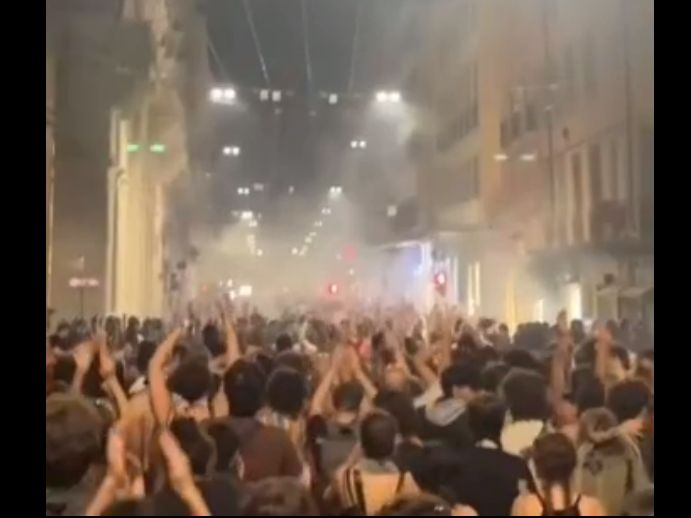
Several hundred people gathered in Southampton on 2 June after the release of police bodycam footage showing 18-year-old university student Henry Nowak being handcuffed as he lay dying from stab wounds. Nowak had been attacked by 23-year-old Vickrum Singh Digwa, who was later convicted by a jury and sentenced to life imprisonment.
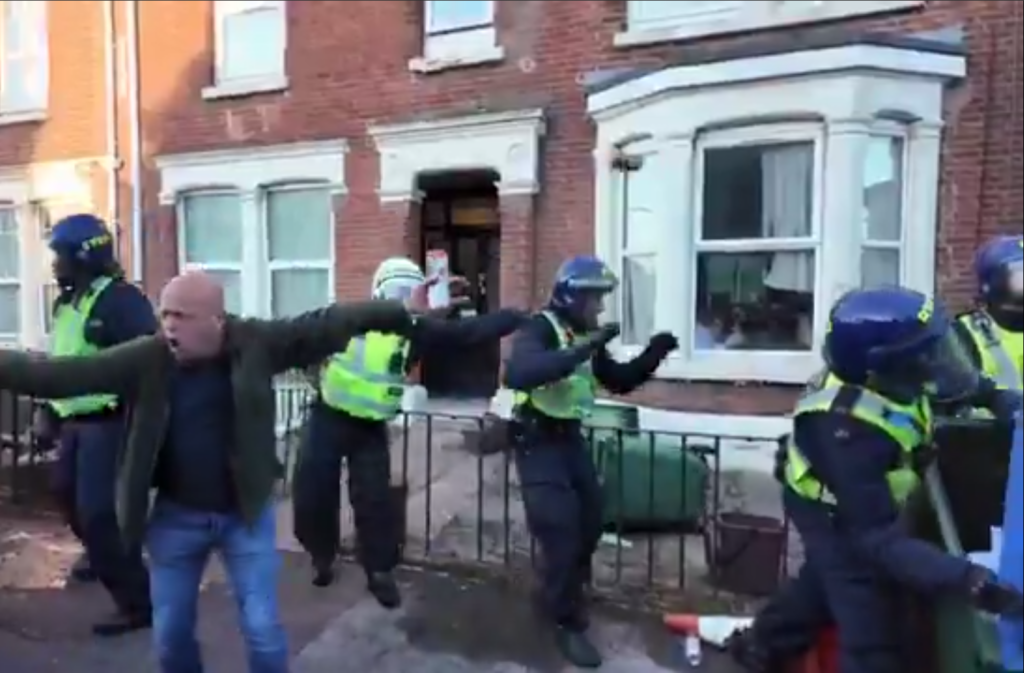
The fact that Digwa was a British Sikh and Nowak was white became the focus of far-right mobilisation around the case, alongside anger at the police treatment of the victim shown in the footage. The protest later escalated into clashes in which police were pelted with missiles. Tommy Robinson declared from outside the police station that “this is about race” and the political establishment performed its usual display of righteous outrage.
The usual inversion of racism was casually platformed by mainstream media and what followed was pure surrealism. Fresh from Reform UK’s strong performance in the local elections, Nigel Farage rushed to amplify the message, urging people to react against a supposedly two-tier policing system that discriminates against white people in favour of… everyone else. Keir Starmer responded with ritual condemnation, while the Conservatives tutted at behaviour they deemed unsuitable for… a future prime minister.
Meanwhile, the actual causes of the violence remain largely untouched.
To be sure, persistent knife crime among young people cannot be isolated from persistent domestic violence, from the military aggression that saturates daily news coverage, or from the macho violence normalised in films and video games. No less important is the resentment simmering in both majority and minority populations after decades of neglect.
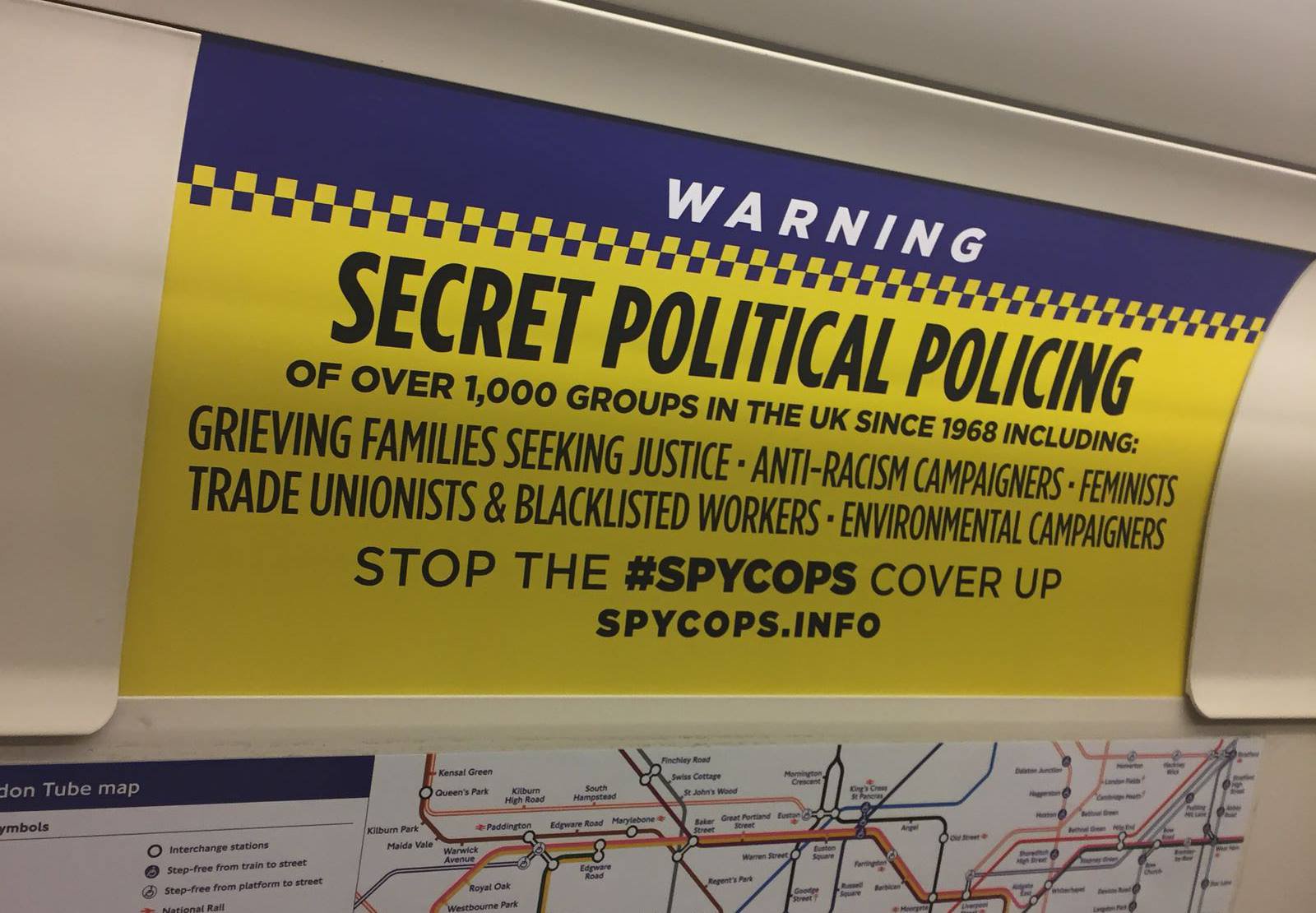
The neoliberal response to the advances of labour movements has left millions facing stagnant incomes, insecure housing, and diminishing prospects, in communities hollowed out by deindustrialisation and stripped of hope and purpose. When young people feel rage at this injustice or their own lack of prospects, that anger is redirected into consumer identities, culture wars, antisocial behaviour, or spectacles of individual rebellion that leave the foundations of society untouched. Any meaningful challenge to power is met with repression, surveillance or exclusion.
Neofascism embraces the spectacle of insurrection, but this time the rebellion is supposedly against “woke corruption.” It presents itself as revolt against an establishment accused of overprotecting racial, religious and sexual minorities while treating white British Christians unfairly in the name of anti-racism. It is a false mantle of resistance that never cuts deeper than the defence of existing hierarchies. Its performance of conflict teaches each new generation to perform anger while losing the ability to articulate a genuine challenge to those who hold power.
So yes, it is about race. This is a racist society, and racism is only one expression of a wider social order. The same society that organises people into racial hierarchies also organises them into classes of owners and workers, citizens and migrants, the deserving and undeserving poor.
It is about race because white supremacy remains one of the organising myths through which the existing social order justifies itself. Since capitalism expanded through colonial conquest, racial categories have been political tools to divide people exploited by the same system and prevent solidarities between those who produce society’s wealth. Today, narratives such as the “Great Replacement” and the demonisation of Muslims, migrants and other minorities redirect anger away from institutions of power – and towards those who are themselves the victims of exploitation and exclusion.
Yet not everything is as bleak: around the world, young people search for new forms of resistance, new uprisings sweep country after country, and force changes that seemed unimaginable only a few days before. The least we can do is refuse to play a role in patching up a decaying order, and instead stand alongside those struggling to create something different.
Screenshot via Popular Front on Telegram