Killing prisoners does not rehabilitate them, nor does it benefit their victims
~ Wrona ~
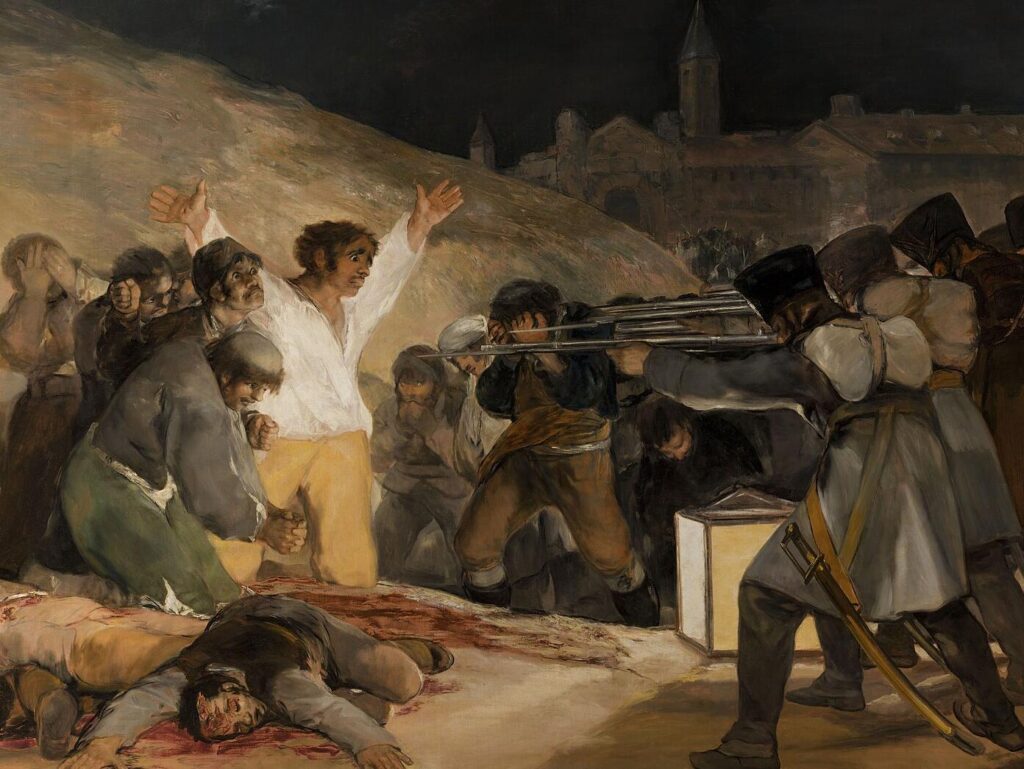
The death penalty is again in the global headlines. A recent report published by Amnesty International highlighted the massive increase of its application in 2025 – notably by authoritarian states. In the United States, the Department of Justice released a statement announcing it would increase and accelerate its use of the death penalty, but also its intention to expand its methods, including by firing squad. While many highlighted the ridiculousness of the firing squad in the 21st century, the use of lethal injection in the United States is so barbaric and brutal, that a firing squad may be relatively humane by comparison.
Meanwhile, the Amnesty report pointed to a dramatic increase in executions. While this uptick was in part caused by countries such as Saudi Arabia and the United States, Iran was the primary driver. Looking at data from 2025, the country executed 78% more prisoners than in the previous year. In 2026, the regime in Tehran has continued to use this ultimate punishment to crack down on the numerous individuals who protested its harsh conservative policies and laws earlier this year.
However, while this uptick in putting prisoners to death also displays the sheer power the state can bring to bear on its people, it also illustrates the broader increase in securitization that permeates society and has become ever-present in the 21st century. One doesn’t have to be an anarchist to recognise the uselessness and cruelty of the state putting prisoners to death. Killing someone does not rehabilitate them, nor does it benefit victims. Most often, it is a tool of the ruling class to demonstrate their ‘tough on crime’ bona fides.
Criminality, including violent crimes, is a reflection of society’s failures. The state, instead of addressing these failures, simply hides them by executing or mass-imprisoning those whom society has failed. In countries such as Iran, this punishment hides the failures of the leaders who so abuse and mistreat their citizens that they in turn engage in protests and insurrections. In the United States, capital punishment is sustained by a toxic combination of religiosity and racism – as well as hyper-individualism, which paints the condemned as aberrations who can be eliminated, sparing the system that produced them further scrutiny.
So why utilize a method of punishment that is widely rejected by much of the world? The paradox of the increased use in the death penalty is that it betrays both the weakness and the power of the state. In the context of the United States, the recent DOJ announcement comes amid the implosion of President Donald Trump’s approval ratings. A common tool for politicians is to use ‘tough on crime’ rhetoric to emphasise punishment and garner support from their electorates. For Iran, the unpopularity with extremely conservative clerics came to a head in early 2026 with massive street protests.
In the United States, private firms such as Amazon tout their Ring doorbell cameras as a way to keep your house and neighbourhood safe – creating a Panopticon that the police can, and do, access. Additionally, the company Palantir combs through the data of Americans and discloses it to the Trump administration. In Iran, the regime has been accused of purchasing surveillance technology from China in its efforts monitor the movements and interactions of those who would support rights for women and threaten the government’s grip on power.
The social contract that many authoritarian leaders, and also liberal democrats, propose to society is that they can keep their citizenry safe in return for obedience – whether that is obedience to their regime or to laws that are crafted by legislatures. The technologies that have developed so rapidly in the past 26 years have given states tools to preserve their power unrivalled in history. The ability to track, record, and monitor any person deemed a threat gives them the ability to maintain their hegemonic position as the default form of organising society.
Most countries have abandoned the use of the death penalty, content with the tools endowed to them by tech firms to track and record dissent. The countries that continue to increasingly utilise it are desperate to maintain a grip on their populations through absolute fear. Even, as in America, ostensibly only the worst criminals are given this punishment, rhetoric about the dangers of antifa and anarchists and the use of the law against them works to move the Overton window so that the execution of so-called traitors may be soon permissible.