De-proscribing Palestine Action will not make a difference to the “Terrorism connection” enhancement
~ Andy Meinke ~
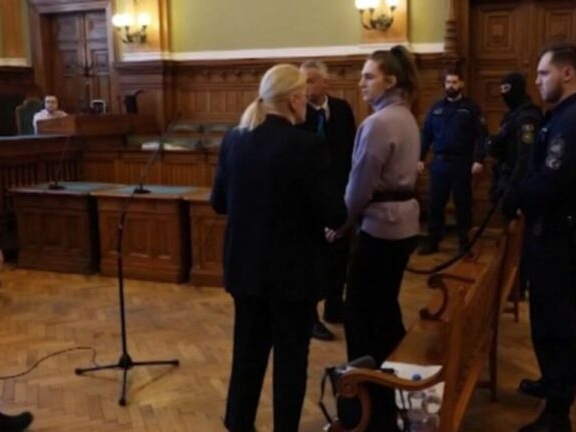
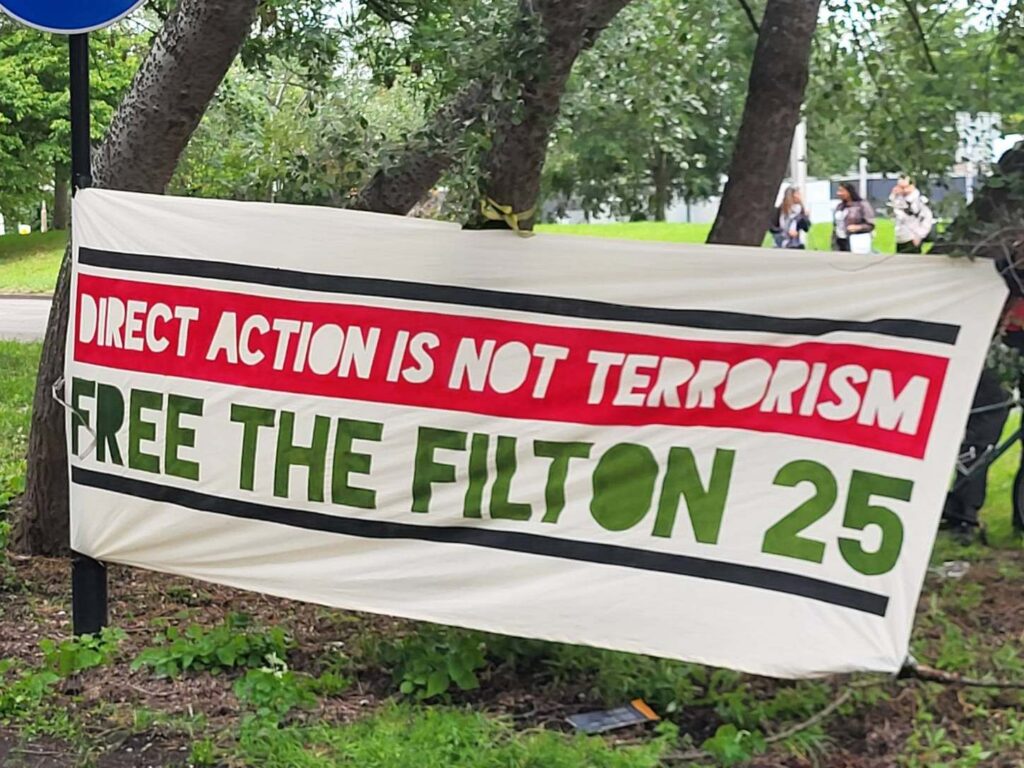
The Filton defendants were sentenced for Criminal Damage; Charlotte and Ellie got 5 years, and Fatema Zainab got 4 years and 8 months. Sam got 4 years, and was also sentenced to a consecutive 3 years 8 months for Grievous Bodily Harm. They will all serve two thirds of the custodial amount before they can apply for parole, which means that for Charlotte and Ellie the earliest release would be in February 2028 and the latest (if denied parole) in October 2029. Fatema Zainab would be out between December 2027 and June 2029, and Sam between October 2028 and February 2030. The time each of them has already spent on remand counts towards their sentence.
Section 69 of the Sentencing Code deals with offences with a terrorist connection (TC). These were invented by the Counter Terrorism Act 2008 and extended by the Counter Terrorism and Sentencing Act 2021. Now any crime that has a maximum penalty of 2 years or more can have a TC if the trial Judge thinks it was committed for the purposes of terrorism as defined by s1 of the Terrorism Act 2000. This includes violence against property to influence a Government, Britain’s in this case. If so, it’s an aggravating factor for deciding the length of the sentence, and different rules for how much of the sentence you serve apply. In this case the Judge decided the criminal damage had a TC based in part on the evidence given by the defendants as to their motives. If they had shown that they did it for shits and giggles rather than opposition to genocide, he probably couldn’t have made the TC. Sam’s GBH conviction was found not to have a TC.
We need to address some popular misconceptions about this aspect of the sentencing.
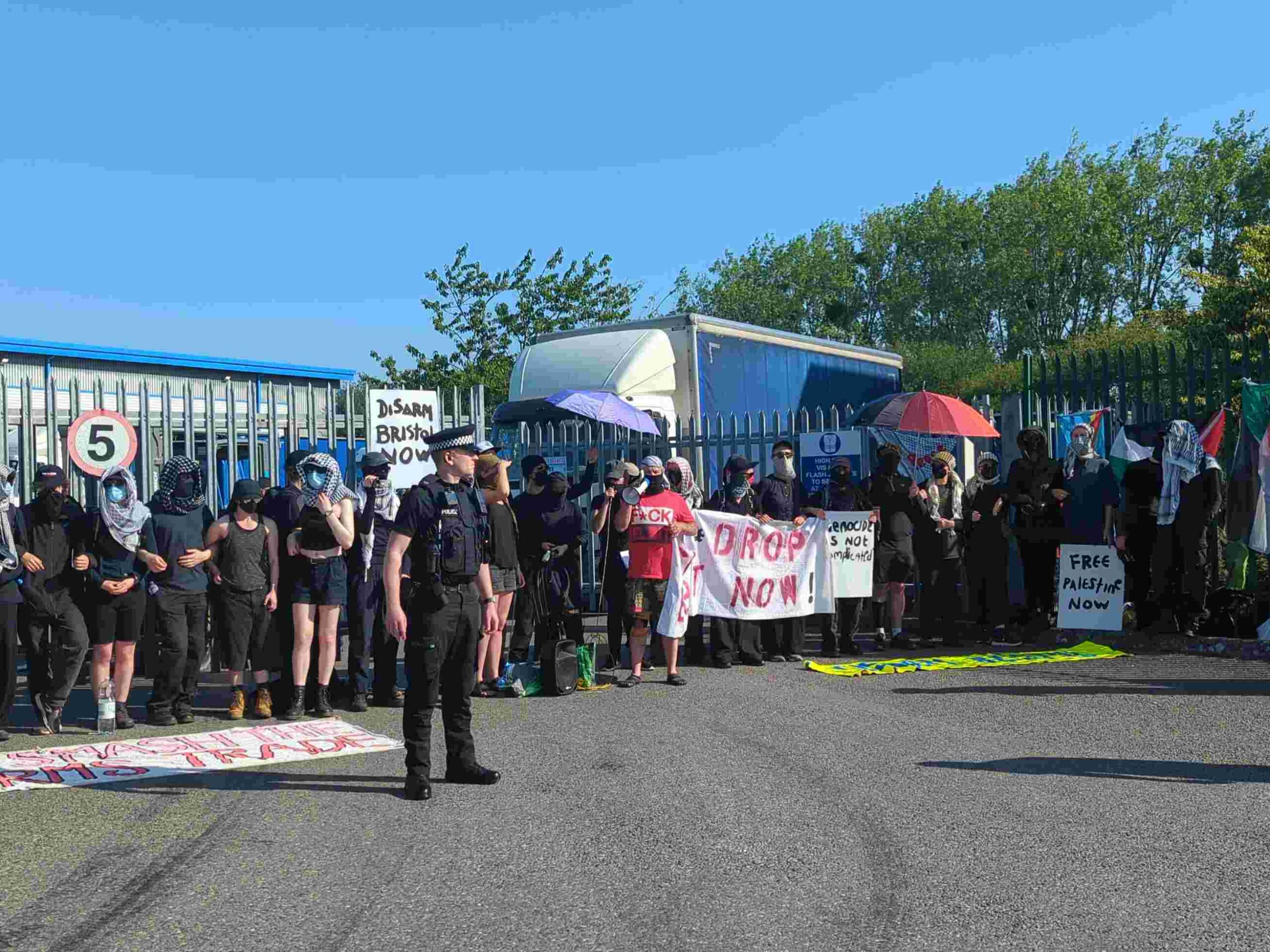
First, it’s important to stress that the whole TC process is not connected to the proscription of Palestine Action as a terrorist group. The Filton action was before PA was proscribed and offences can have a TC although those doing them are not part or supporters of a proscribed organisation. The Court of Appeal Judgement on the proscription should be out today.
Second, although this is the first time it’s been used against protestors, the TC was not in any way concealed. It was always a possibility, and a quite likely one given the seriousness of the original charges, Aggravated Burglary and GBH with intent, both of which have a maximum sentence of life imprisonment. The fact that the defendants were arrested under s41 of the Terrorism Act 2000 also flagged up the likelihood of a TC.
Third is the idea that the Jury were deceived about the offence or sentence for this particular trial. While it is true that the Jury weren’t told about the possibility of a TC, that is standard practice. Juries are not told the prospective sentence during any criminal trial, or even what the maximum (or minimum for some crimes) is. If they ask, the Judge will simply say it’s the Jury’s job to decide if the defendant is guilty or not, based on the evidence and with no regard to what the sentence would be. Sometimes the jury will know what is likely. Most people know the only sentence for murder is life imprisonment. If it’s obstruction of a Magistrate trying to preserve a shipwreck s37 Offences Against The Person Act 1861 – they may not. But it’s possible, lawyers and even Judges can be called for jury service. The actual decision of whether there’s a TC only takes place after the verdict,at sentencing. The Judge’s previous statement that he was considering it was a heads up to all parties, not a final decision. And it was given when the more serious offences were still possible.
Lastly, on the disparity with a normal Criminal Damage sentencing. Although a TC sentence means you can only get parole at two thirds of the sentence and then only if the Parole Board is satisfied you’ve given up terrorism – a lot of the disparity is caused by progressive reductions in the amount of time you must serve for Standard Determinate Sentences. These were 50% before 2024, now 40%, and will be 33% when the changes in the Sentencing Act 2026 come into force. The Judge found high culpability and high harm, whereby the sentencing guidelines give a starting point of 18 months with a range of 7 moths to 4 years. Johnson said it was so exceptional that his starting point would be 5 years, before applying aggravating and mitigating factors. Unfortunately he’s allowed to do that. If he couldn’t reasonably come to that total or it was manifestly excessive, then the Court of Appeal should reduce the sentence.
There will almost certainly be an appeal – but people shouldn’t get their hopes up. Judge Johnson (or Lord Justice Johnson, as he will soon be known) was carefully chosen to do this case – and any appeal will likely be presided over by the Lord Chief Justice herself. In her previous criminal damage protest case. R v Hallam & others, Lady Carr upheld a two year sentence for throwing soup on a painting protected by a perspex cover.