Deal with Estonia to house prisoners shows the dehumanising effects of neoliberal inequality management
~ Daniel Jarosak ~
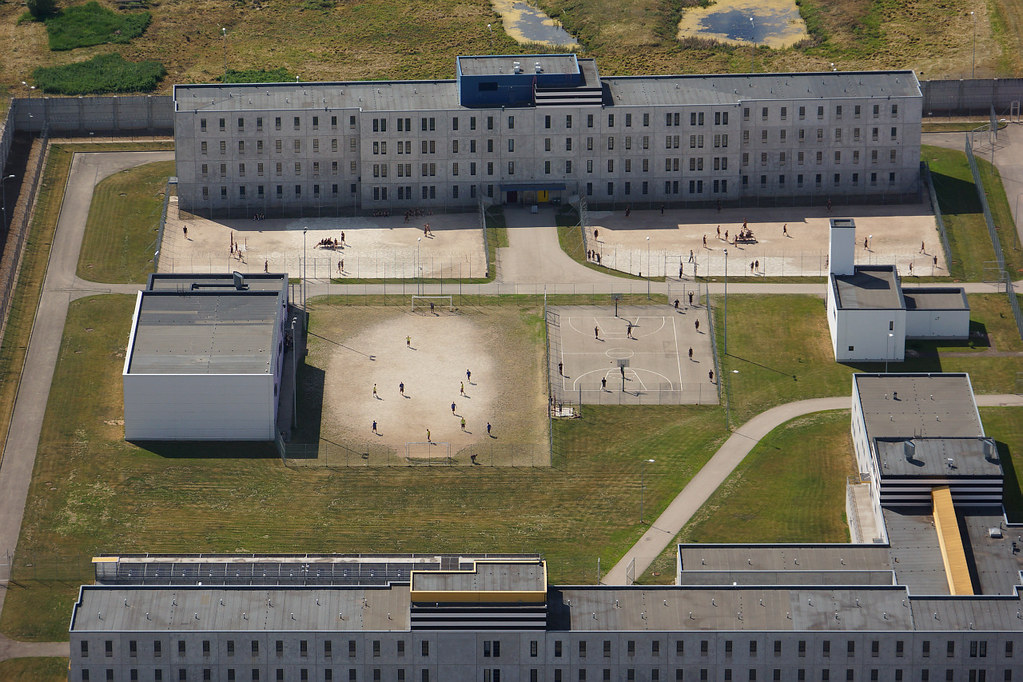
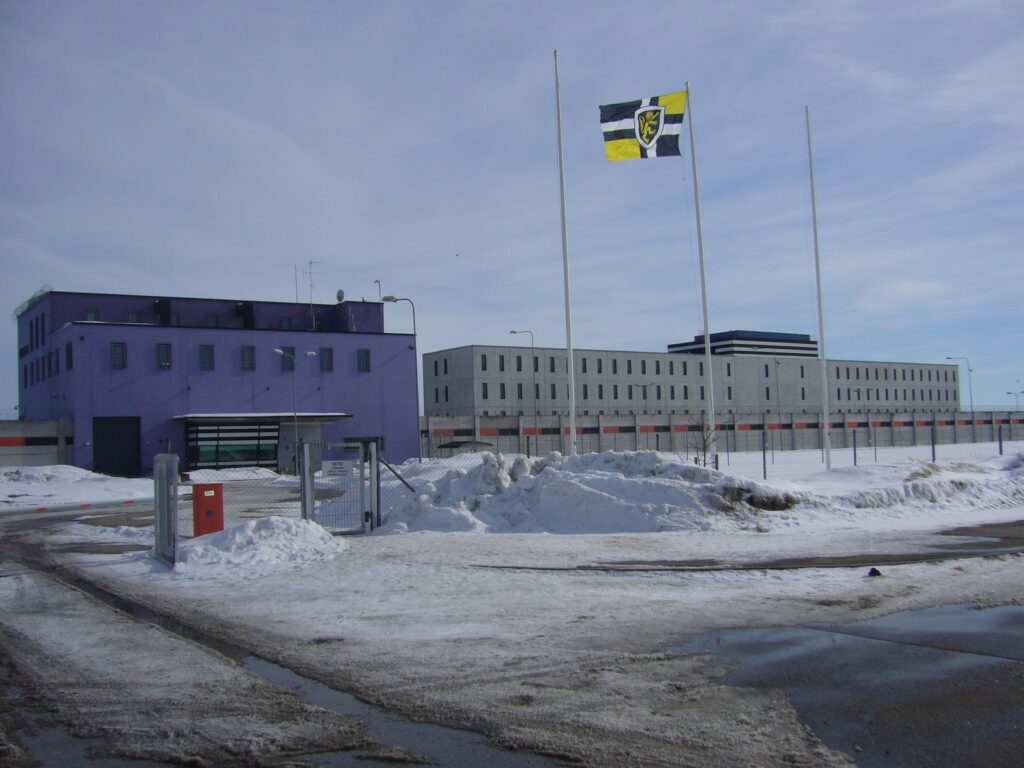
Last summer, Estonia agreed to rent out part of its Tartu Prison facility to Sweden, which was seeking to reduce its rapidly expanding prison population. Now Finland and Belgium are also broaching Estonia for similar deals.
The arrangement represents the convergence of two European trends – increased use of punitive measures to combat crime, and the neoliberal offloading of the socially undesirable.
Since the late 2010s, Sweden has seen a sharp increase in gang-related gun crimes and bombings. The upshot has been the rapid expansion of the country’s prison population, which stood at 9,748 in January 2024 compared to 5,762 in 2016.
Unlike Sweden, Estonia has seen a noticeable decrease in its prison population. Consequently, in its prison facilities entire buildings are empty. Seeing this situation, the two countries crafted an agreement in June 2025 – Sweden planned to rent these empty prison spaces in Estonia at a rate of 8,500 euros per prisoner per month. The first group is expected to arrive in the summer of 2026.
Both sides have framed this as a win-win situation. Estonia will earn revenue and create jobs, and Sweden will supposedly ease the pressure on its strained prison system. However, this deal covers up years of horrendous policies by both states.
Sweden’s ‘Nordic model’ prison system often receives praise, especially compared to the USA, for its stated focus on re-integrating offenders, offering opportunities for training, and treating prisoners with humanity. However, since the 1980s, several policies have also been introduced that promote more punitive ways in which prisoners are held and treated.
This accelerated from the mid 2000s when, as Anders Bruhn writes in his country report, Sweden’s society pushed for a security focus. The care provided to prisoners was standardised and prison staff shifted from focusing on individual care for prisoners to fulfilling bureaucratic roles.
This trend has been exacerbated by the astronomical rise in gang-related violence in the 2010s. Of course, the areas that suffer from these higher crime rates are often economically depressed and have been for a long time, and have large immigrant populations.
The far-right Sweden Democrats (whose roots are in the country’s neo-Nazi movement) have scapegoated these population. Like in the UK, liberal and centre-left parties are attempting to poach conservative voters by adopting these aggressive policies. Recently the government moved to lower the age of criminal responsibility to 13 years of age – with the support of the Social Democrats.
As for Estonia, there is concern that this move signals a shift away from its own rehabilitation policies. The deal is hardly popular, as there are fears among the local population about the incoming prisoners’ potential risks to security. Even an Estonian prison guard penned an op-ed criticising the move, as well as several criminologists, one of whom referred to the deal as an act of “penal statecraft, where prisons function not only as ‘justice institutions’ but as economic or diplomatic tools.”
Sweden currently is facing an increasing amount of economic inequality and it is well known that poverty is connected to crime and criminality. In Estonia, decades of liberal economic policies have reduced people to economic metrics, and the supposed creation of a few jobs will do little to alleviate the country’s severe inequality.
The deal between Sweden and Estonia joins similar policies enacted by European states, in which human beings are treated as pawns amongst political parties jostling for power. Meanwhile, little is done to rehabilitate prisoners or address the root causes of crime. It is not politically expedient to advocate for prisoners and their plight.
Images: grundtvigflame, tarmo888 on Flickr