The Parisian crime writer who died 30 years ago was a lifelong anarchist and remains popular to this day
~ Maurice Schuhmann ~
The French anarchist crime writer and Surrealist Léo Malet passed away on 3 March 1996 while sitting in front of his television set. Born in Montpellier in 1909, he became involved in the anarchist movement at an early age and wrote for journals such as Le Libertaire and L’En-Dehors. His association with the latter is hardly surprising – much like its editor, the former Tolstoyan Emile Armand, Malet did not distance himself from the illegalists of the time, but rather sympathised with them – whether with Jules Bonnot and his gang, whose story he later worked into his novel La Vie est dégueulasse, or with Marius Alexandre Jacob.
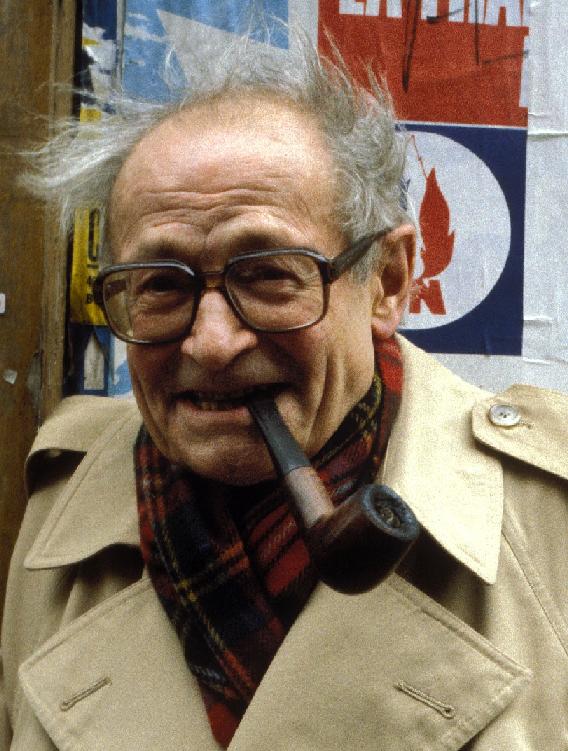
Later, he collaborated with the Surrealists – notably André Breton – as well as with Trotskyists. Anarchism, however, remained a constant presence in his work.
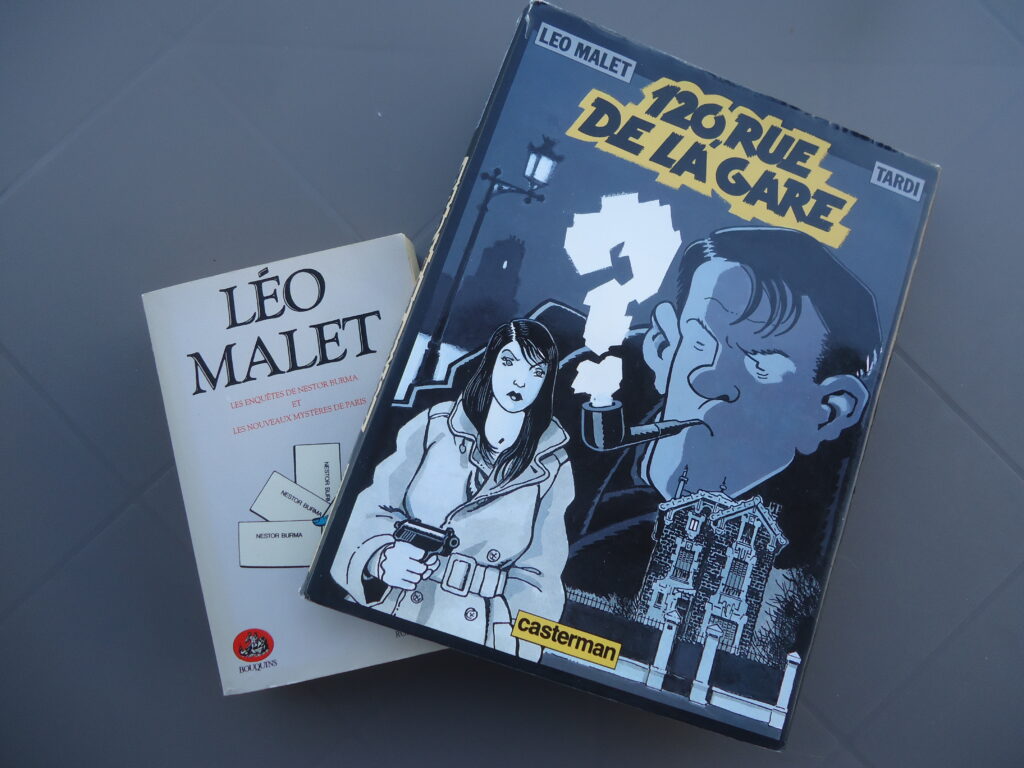
From 1943 onwards he published crime novels, among other works, under various pseudonyms – f.ex. JohnnyMetal. In his autobiography La Vache Enragée, he named as one of his principal sources of inspiration the gentleman burglar Arsène Lupin, created by Maurice Leblanc. He is best known for the stories centred on his private detective Nestor Burma, which are characterised above all by their distinct Parisian local colour and their parody of the American hard-boiled crime fiction of the period.
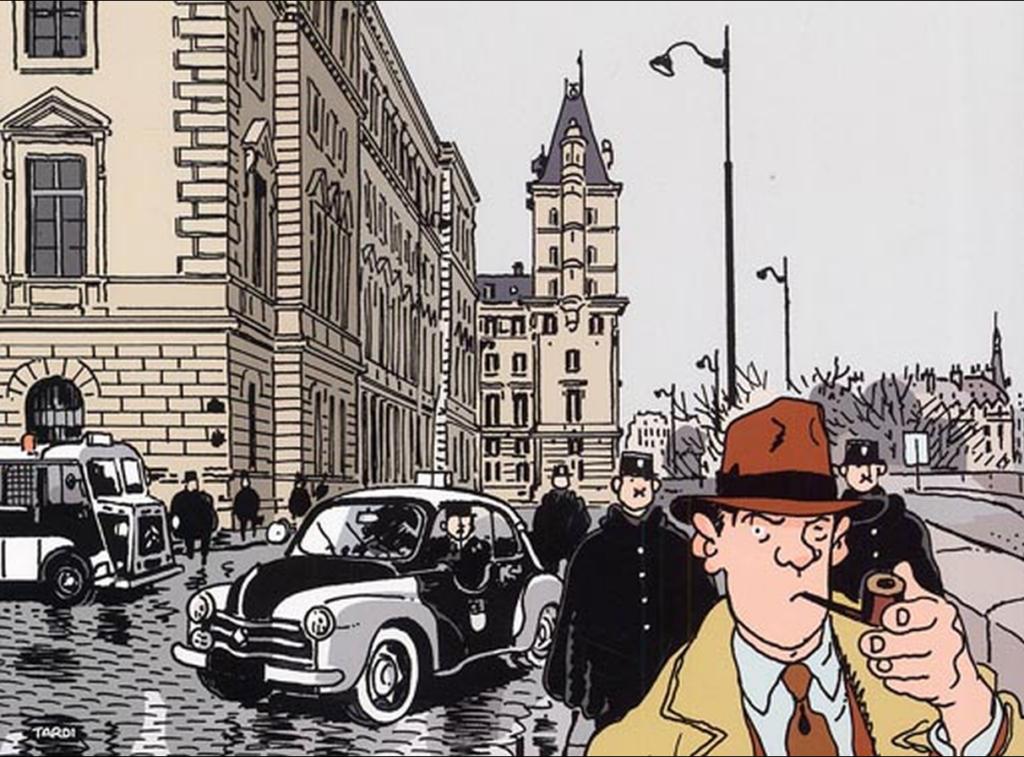
Inspired by The Mysteries of Paris, the moralising mid-nineteenth-century novel written by the socialist Eugène Sue, he created the cycle The New Mysteries of Paris. Each novel in the series is set in a different arrondissement of Paris. Autobiographical experiences – including his involvement in the anarchist movement – repeatedly find their way into these works. The successful book series has been adapted several times for the screen, turned into comics – notably by the anarchist comic artist Jacques Tardi – and produced as radio features. He received several prestigious crime-writing awards and his works continue to be reissued to this day.
In addition, he wrote a socially critical so-called “black trilogy”, which includes the aforementioned novel about Bonnot. These are stories about underdogs and outsiders in French society. From today’s perspective, however, there are also grounds for criticism – particularly with regard to the occasionally stereotypical portrayals in his novels that border on racist clichés, especially concerning characters of Arab origin.
His already mentioned autobiography, La Vache Enragée, is highly worth reading, offering considerable insight into contemporary anarchism and French society.