Day ends in clashes as activists declare “partisan struggle” for housing and rights
~ Thymo Nzk ~
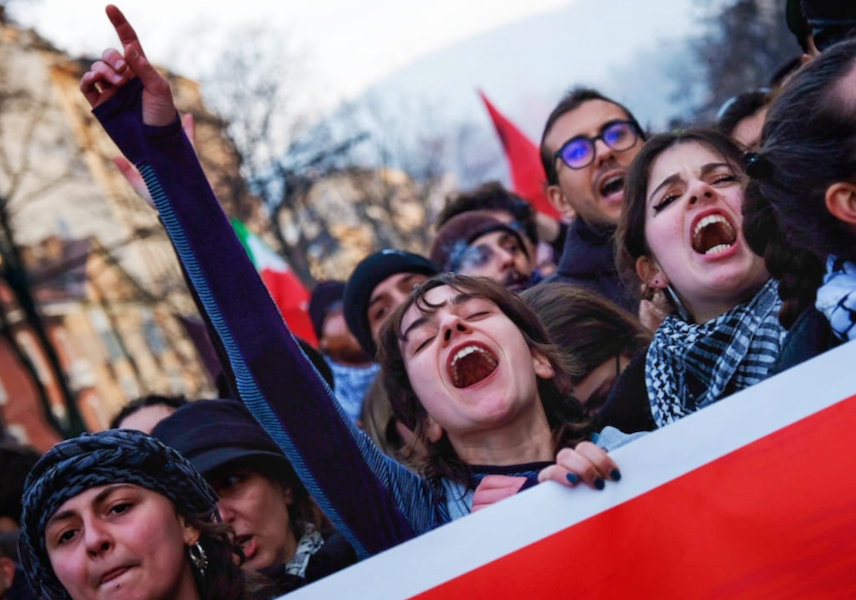
More than 50,000 people from across Italy marched through the streets of Turin on Saturday (31 January) in a national demonstration following the eviction of the long-standing social centre Askatasuna on 18 December.
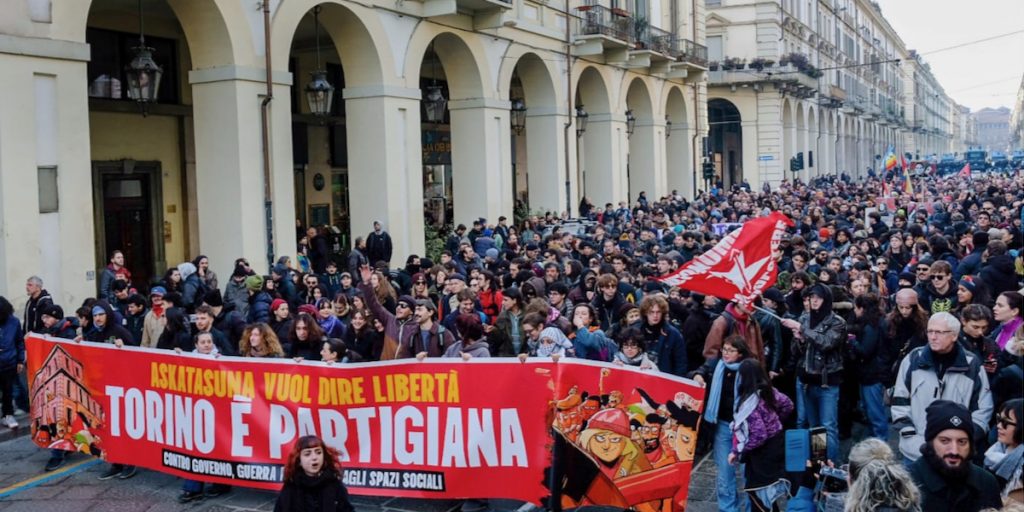
The protest brought together a wide range of movements, including housing rights groups, student collectives from high schools and universities, trade-union activists, anarchists and anti-fascists, the No Tav movement from the Susa Valley, and organisations mobilising in support of Palestine and Kurdistan.
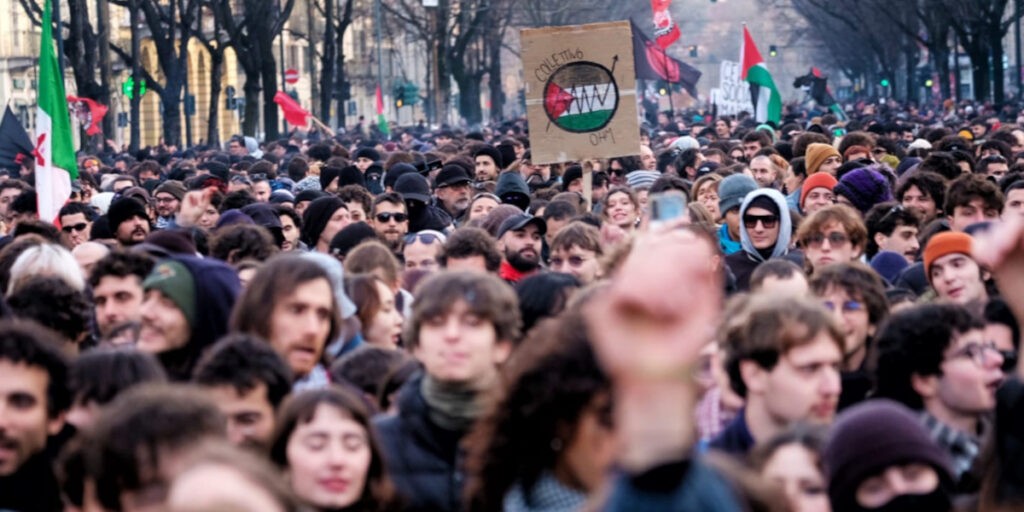
The demonstration was organised in three separate processions. One departed from Palazzo Nuovo, home to the University of Turin’s humanities faculty, which had been occupied by students in the days leading up to the protest and closed for the second time in a week. “This is part of a general war to suppress dissent, which is seriously threatening other key centres of social opposition”, said a participant.
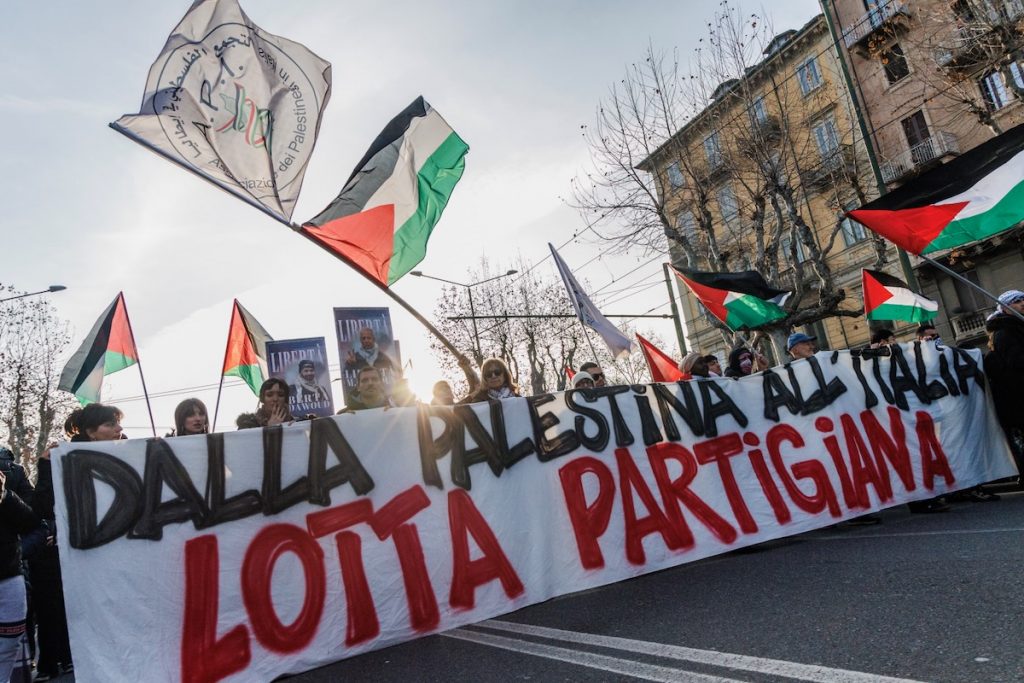
A second march set off from Porta Nuova railway station, led by the No Tav movement, while a third began earlier from Porta Susa under the slogan “Against the government of war: for housing, schools and income.”
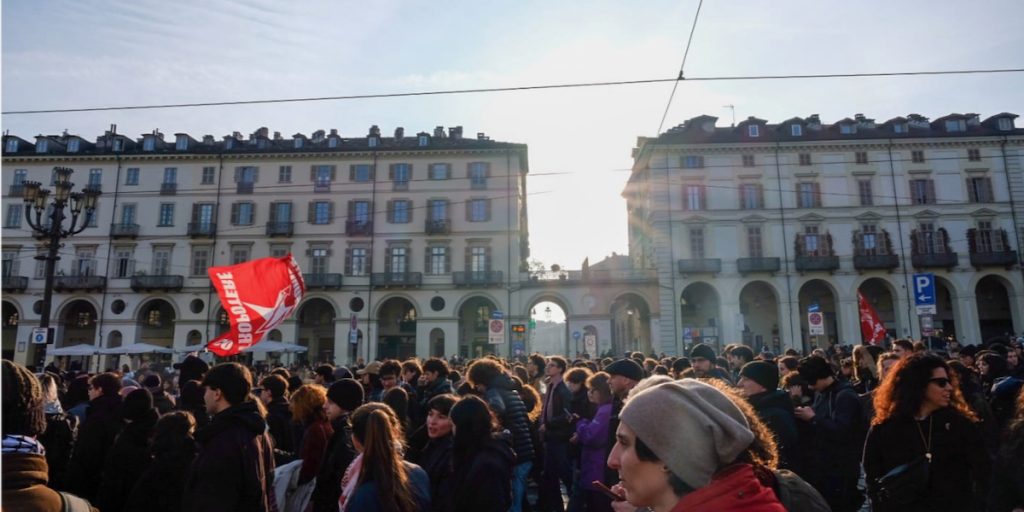
The three groups converged in Piazza Vittorio Veneto before moving toward the Vanchiglia district, approaching the building that housed Askatasuna until last month.
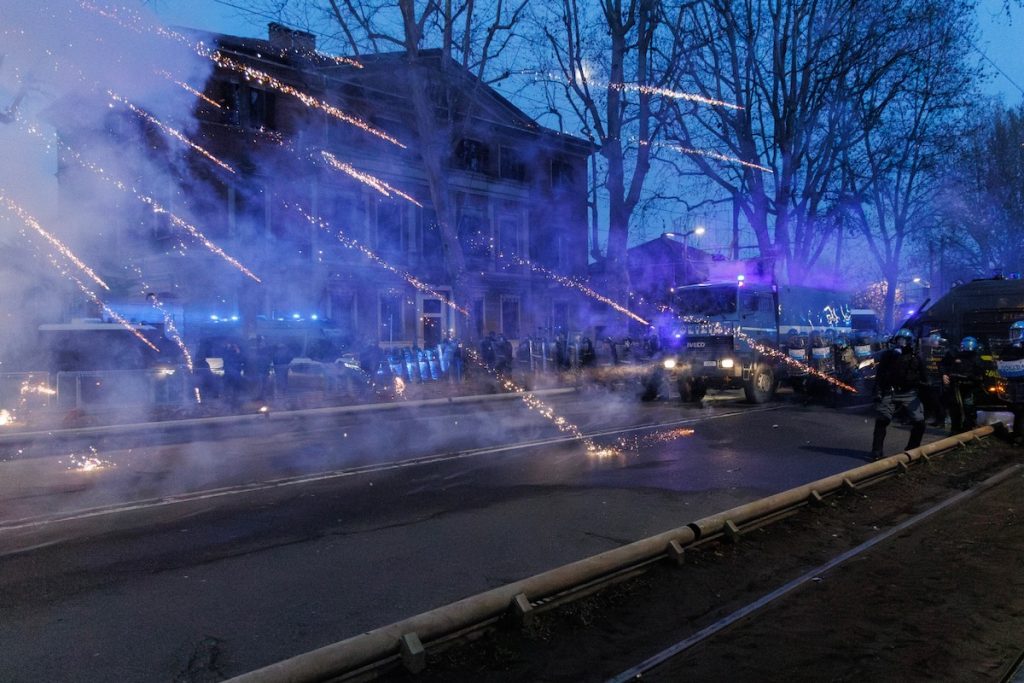
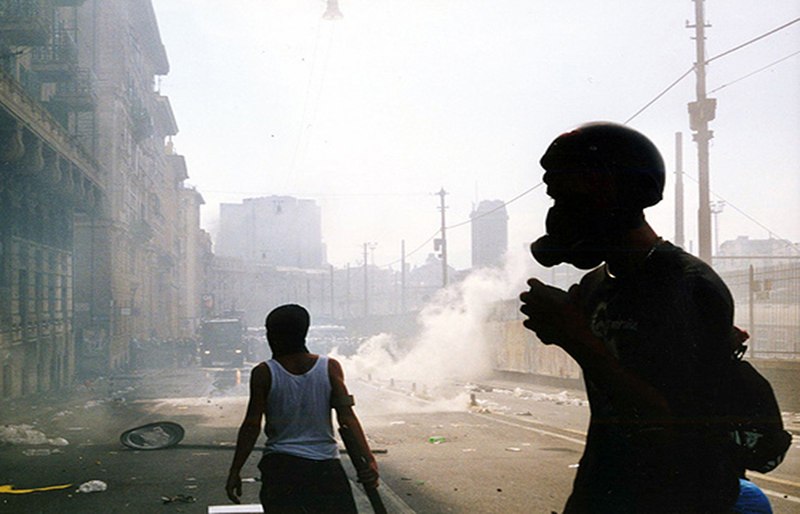
Clashes broke out near the site as police sought to block the demonstrators’ advance. Riot police used water cannons and tear gas, while protesters erected improvised barricades and resisted repeated baton charges.
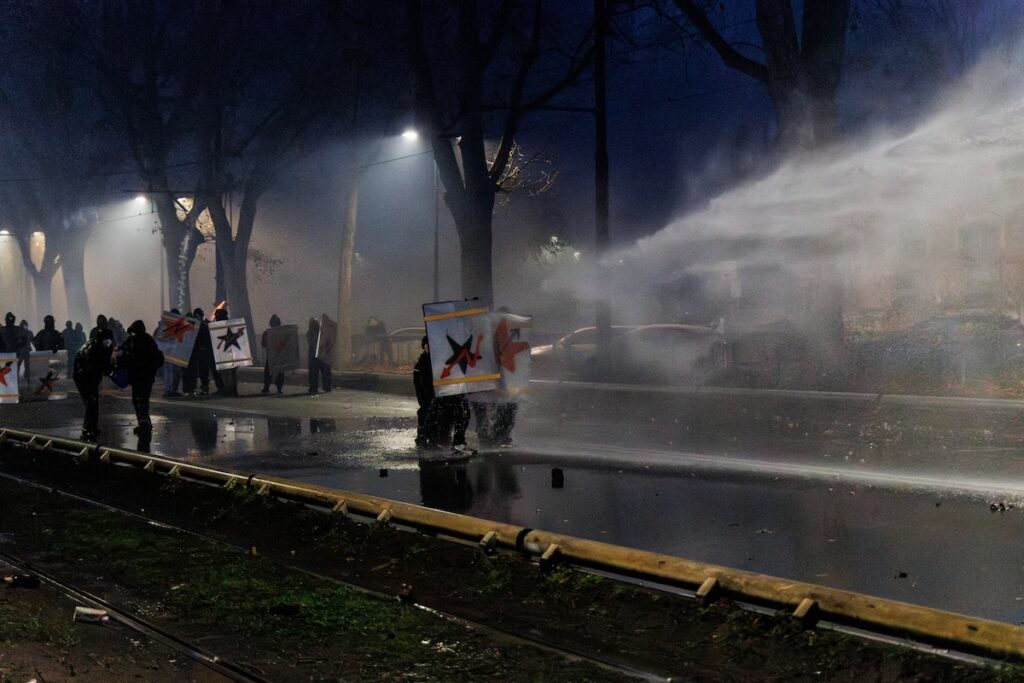
According to participants and legal observers, confrontations lasted several hours. Activist groups reported numerous injuries, some described as serious, and said at least 10 people were arrested.
Askatasuna, founded in 1996, has long served as a hub for Turin’s autonomous and grassroots movements. Its eviction came despite a recent agreement with the municipality aimed at recognising the building as a “common good”.
Government officials have defended the eviction as a matter of public order, while activists argue it is part of a broader crackdown on dissent, intensified during recent protests over Israel’s war in Gaza.
Machine-assisted edit. Photos: Marta D’Avanzo, Renato Ferrantini, Dinamo Press CC BY-NC-ND 2.5 IT. Video: Prima Linea