Action medics report from recent demos in Switzerland
~ Sanitätskollektiv Zürich ~
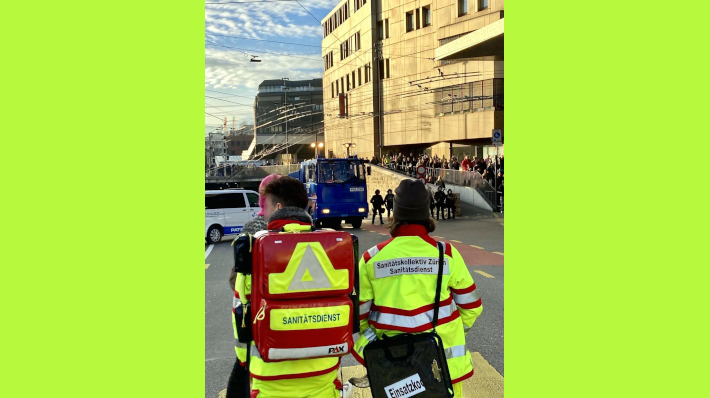
Between 17 and 20 January 2026, Sanitätskollektiv Zürich provided independent medical support at three demonstrations in Bern, Zurich and Winterthur. Across these protests — against the World Economic Forum (WEF) and in solidarity with Rojava — we observed extensive police deployments, the repeated use of force, and, in Bern in particular, systematic obstruction of medical access to injured people.
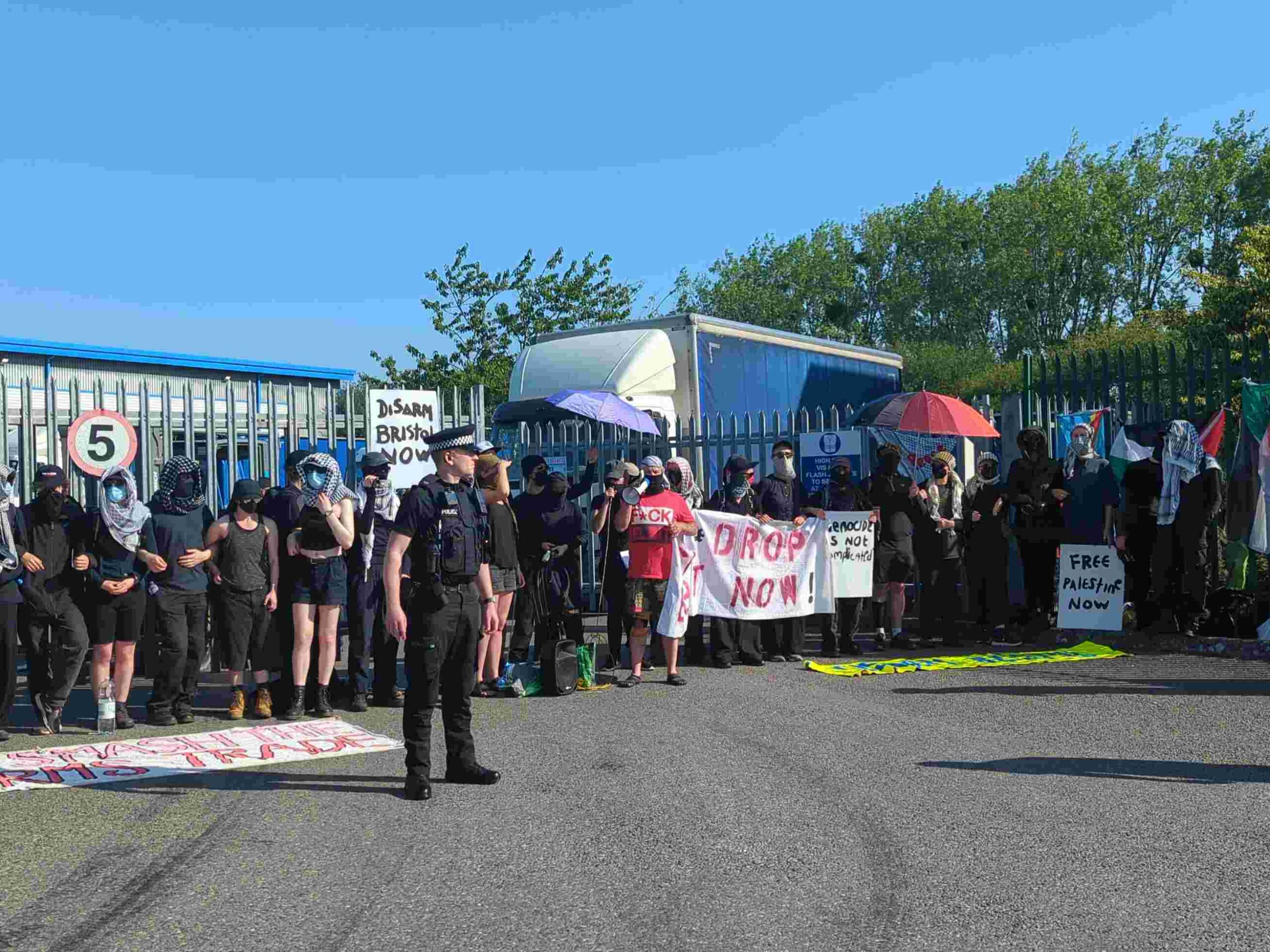
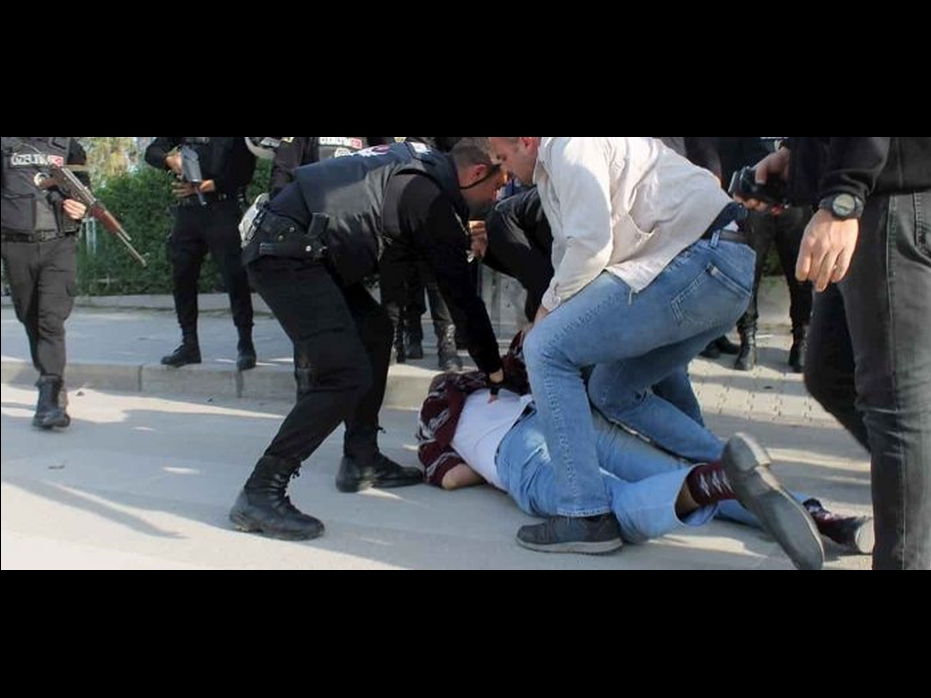
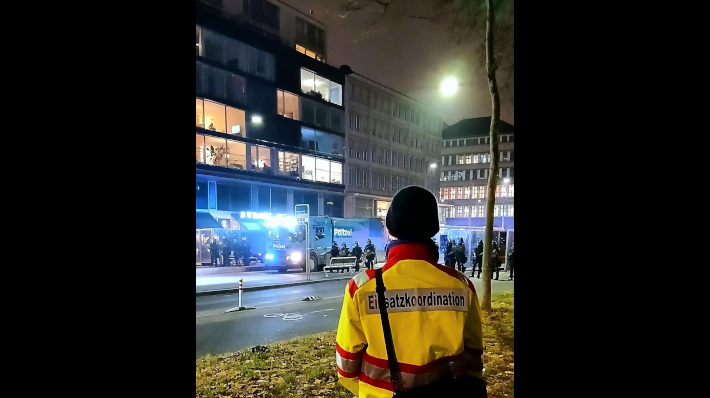
On 17 January, three of our medics accompanied the unpermitted Smash-WEF demonstration in Bern. A march was prevented from going ahead by a massive police operation involving barrier vehicles, batons, pepper spray and fists. More than one hundred people were held for hours in a police kettle. Throughout the deployment we repeatedly observed disproportionate police action, which also denied us access to injured people.
Even before the planned start at 3 p.m., numerous police units were present at Bern main station, carrying out identity checks. When the assembly formed on the station square, Bern cantonal police announced that only a static rally would be tolerated and that a march would be prevented. Several hundred officers, barrier vehicles and water cannons then sealed off the area.
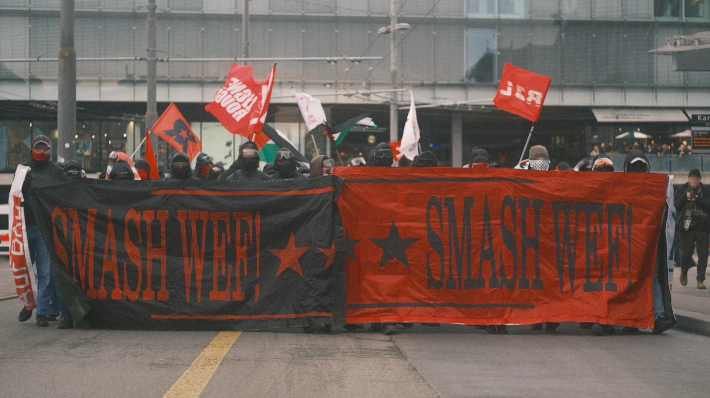
The demonstration was forced to circle within the police cordon and was gradually pushed towards the Church of the Holy Spirit, where it was kettled from around 4 p.m. Police then carried out multiple, sometimes violent, arrests. A detained person reported the use of rubber bullets fired at short distance from barrier vehicles inside the kettle. Demonstrators were pressed together by police vehicles, pepper spray was used against people in the kettle, and after our deployment ended we continued to receive messages from people injured by pepper spray near the station.
On 19 January, four of our medics supported two demonstrations in Zurich: the authorised “Trump not welcome” march, attended by around 3,000 people, and a subsequent unpermitted protest in solidarity with Rojava. During the authorised demonstration there were no injuries. However, police presence was strikingly heavy compared to other demonstrations of similar size, with even small side streets blocked by barrier vehicles and water cannons positioned pre-emptively.
After the final rally at Helvetiaplatz, around 800 people — led by a Kurdish and a revolutionary bloc — set off on another march. Following an accident involving a sound truck, which we treated on site, the march developed into a street blockade. Police issued dispersal orders and then deployed water cannons, some jets directed at specific groups. When objects and pyrotechnics were thrown by a small number of demonstrators, police additionally used irritants and rubber bullets.
As a result of the extensive use of force, several people were injured. To dissolve a peaceful demonstration with tear gas projectiles and high-pressure water jets is, in our view, not proportionate.
On 20 January, three of our medics accompanied a peaceful demonstration in solidarity with Rojava in Winterthur, attended by families with children. Without warning or audible instructions, police fired blank shots from launchers at 6:45 p.m. and again later at close range, and deployed pepper spray. When demonstrators were pressed close to police lines, irritants and physical force were used without any apparent opportunity to leave the situation.
We treated a low double-digit number of patients for eye and respiratory irritation, panic attacks and brief losses of consciousness. One person was handed over to the ambulance service.
Across all three days, a clear pattern emerged: heavy policing, early escalation, and in Bern the outright denial of medical access. These practices endanger demonstrators and undermine both the right to protest and the provision of urgent medical care.
Machine-assisted edit from Barrikade.info