Neurodivergent liberation means changing the foundations, dismantling a system that made our exclusion not just possible but profitable
~ Pablo ~
The social model of disability changed something important. It said the problem isn’t us, it’s the world we’re forced to navigate. For neurodivergent people, that landed. Sensory overload, rigid communication norms, workplaces designed for one kind of mind – these aren’t natural facts, but choices. Somebody built this world, and they didn’t build it for us.
But here’s the question the social model doesn’t fully answer: why does it stay this way? Why, decades after the barriers were named, do they persist? Why do reasonable adjustments evaporate the moment a deadline looms or a budget tightens?
This isn’t an oversight – it’s the logic of the system working exactly as intended.
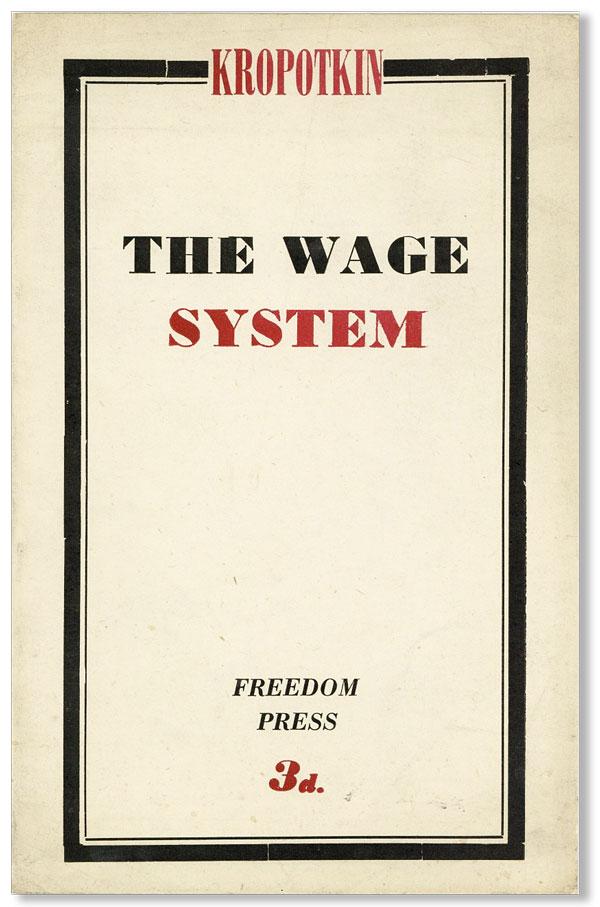
Under capitalism, your value is your productivity. Not your humanity, not your creativity, not what you contribute to the people around you, but instead your output, your speed, your capacity to generate profit for someone else.
The “normal worker” isn’t some neutral human average. It is a benchmark shaped by the demands of a profit-driven system. And neurodivergent traits – different ways of communicating, processing sensory information, and managing executive function – come into conflict with that benchmark when they slow things down or cost money to accommodate.
This is why reasonable adjustments feel like charity: they are charity. They exist at the discretion of those who ultimately answer not to us but to the bottom line.
When pressure mounts and costs are scrutinised, those adjustments quietly disappear. They were always conditional. We were always on probation.
The problem isn’t bad employers. It’s a system that makes even good employers choose profit over people.
Excluded by design
High unemployment among neurodivergent people gets talked about as a failure of inclusion. As if the system meant to include us and just got it wrong.
It didn’t get it wrong. Capitalism depends on a surplus population, people unemployed or underemployed, available when needed, disposable when not. This keeps those in work compliant, and reminds us we’re replaceable.
Those of us who don’t conform easily to standardised productivity requirements get pushed disproportionately into that surplus. Not because of stigma alone (although stigma is real) but because of calculation: including us properly costs more than excluding us.
Awareness campaigns don’t change that calculation. Neither do diversity statements or inclusion pledges. As long as profit determines who gets to participate, some of us will always be treated as more trouble than we’re worth.
Some voices in disability politics have argued that in a truly equal society, disability would simply disappear, that it’s entirely a construct, a label, a product of oppressive systems. That goes too far, and it doesn’t help us.
Neurological and sensory differences are real. They are part of human biology. Acknowledging that isn’t going back to the medical model that treated us as broken individuals in need of fixing. It’s being honest about what human variation actually looks like.
The question isn’t whether difference exists, but how society responds to it. A world organised around profit responds to difference with suspicion, with cost benefit analysis, with the question: can we extract enough from this person to make them worth keeping?
A world organised around human need would ask something different entirely: what do people need, and how do we make sure everyone has it? Difference wouldn’t need to justify itself. It would just be part of what it means to be human.
Reform won’t save us
The social model has won real gains. Legislation, accommodations, awareness. Those gains matter to real people and we shouldn’t pretend otherwise.
But reforms are fragile. When budgets shrink, services get cut. When political winds shift, rights get rolled back.
Everything won within this system can be taken away by this system, because none of it touches the underlying reality. that our survival depends on our economic usefulness to others, and that makes us permanently subject to their judgement of our worth.
So long as that’s true, we will be measured, assessed, found wanting, and accommodated conditionally or not at all. Diagnosis becomes a bureaucratic process to determine eligibility. Inclusion becomes a performance. And we remain supplicants, asking permission to exist on terms set by others.
We’ve been written off, misdiagnosed, gaslit into doubting our own minds, pushed out of workplaces and out of the political movements that should have been ours. And still we turn up. Still we work. Still we organise.
That’s not because the system works for us, but despite the fact that it doesn’t.
Neurodivergent liberation means changing the foundations, dismantling a system that made our exclusion not just possible but profitable. When society is organised around what people actually need rather than what generates profit, human variety no longer has to prove its economic usefulness in order to belong.
The awkward ones, the quiet ones, the ones who need more time or a different environment or instructions in plain steps, we are not afterthoughts. We are not a cost to be minimised. We are part of the human variation that any decent society has to be built around, not in spite of.
The social model told us the barriers were built. It was right. Now we need to be honest about why they’re still standing, and what it will actually take to bring them down.