At least 18 people were injured, including a journalist
~ from ANRed ~
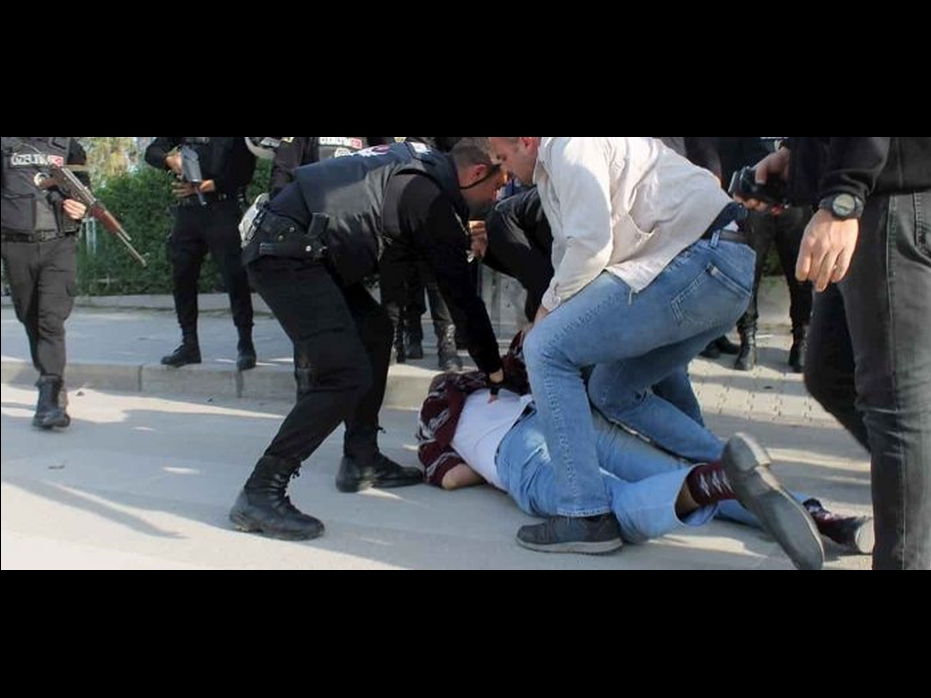
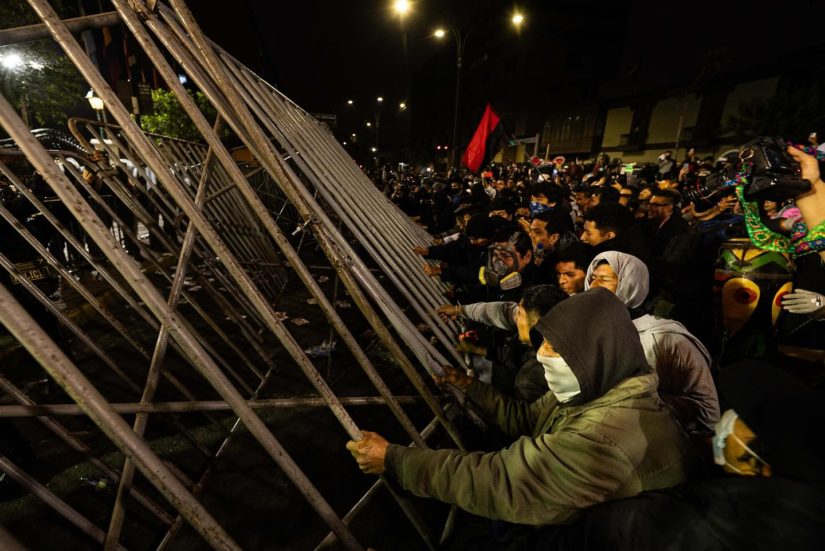
The Peruvian capital has experienced another weekend of mobilisations, in a second wave of protests called by the so-called “Generation Z”, transportation unions, and social organisations, against changes to pension laws and expressing discontent with the controversial government. Protesters gathered Saturday (27 September) in front of Congress and in Lima’s historic center, and were repressed by police who fired tear gas, beat people, and even attacked the press.
The protest called to reject the Dina Boluarte government, installed in power since the coup against President-elect Pedro Castillo. It also protested against legislation that changes the early retirement age from 50 to 55 and prohibits members from making partial withdrawals from their funds. People under 40 will have restricted access to 95.5% of their funds upon retirement. All individuals, including informal sector workers, will be required to contribute a percentage of their income to these funds, except for those in the business sector.
The march started on Abancay Avenue, in front of Congress, and continued toward San Martín Square, passing through iconic areas of downtown Lima. There were also demonstrations in other cities such as Trujillo, Piura, and Arequipa.
At the start of the protest, police harassment was reported, leading to a repressive operation prepared to try to disperse the protests. As the protesters advanced, the Peruvian police began firing tear gas and erecting barriers.
According to the National Coordinator of Human Rights (CNDDHH), at least 18 people were injured, including a journalist and a female volunteer participating in the protest. Among the injured is a 65-year-old man who was allegedly hit in the forehead by a pellet, as well as a woman who suffered from inhaling tear gas.
In the previous weekend’s demonstrations, September 21 in Lima, the Peruvian National Police, far from guaranteeing the right to protest, led to a series of attacks that left 85 people injured, including dozens of journalists, as documented by the CNDDHH, which condemned the police actions, describing the indiscriminate use of tear gas as an attack on the right to peaceful protest, and demanded that the Human Rights Prosecutor’s Office oversee the state’s actions.
Edited machine translation. Photo: Juan Mandamiento