The outgoing PM is a textbook example of a public figure who jettisoned principles in the search for power
~ Paul Gravett ~
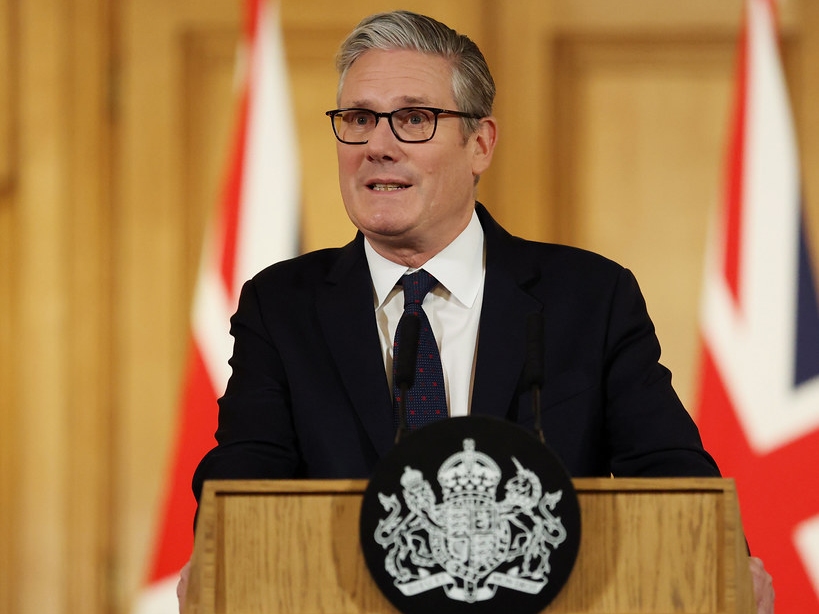
The revolving door of UK Prime Ministers is spinning again as incumbent Keir Starmer yesterday announced his intention to resign, while Andy Burnham boarded the train to London to be crowned as successor. He will be the eighth PM in 10 years. At the 2024 general election Labour won a landslide majority of 174 seats, so how did its fortunes unravel so quickly?
Long before he became a politician, Starmer was a left-wing barrister who worked at Doughty Street Chambers in London. In 1990 I met him when I was sued for libel by McDonald’s along with Helen Steel and Dave Morris because we campaigned against the company.
He told us that while we did not have a good chance of winning, he would support us pro bono (legal aid is not available to libel defendants). Soon afterwards I chose to apologise for personal reasons but Starmer did help the remaining McLibel Two, including at one hearing when McDonald’s asked for their defence to be struck out. He later represented them at the European Court of Human Rights.
Surprisingly, Starmer was appointed Director of Public Prosecutions in 2008. Although depicted by his supporters as bringing human rights into the Crown Prosecution Service, in reality the New Labour government spent years passing draconian laws against protesters and massively increased the number of undercover police officers or ‘spycops’.
One of the most notorious spies was Mark Kennedy, and the case against over 100 people arrested at a power station in Nottinghamshire collapsed when it was revealed he had been part of the group. A report commissioned by Starmer on behalf of the CPS found “the failures were individual, not systemic”, despite compelling evidence to the contrary. Eighteen of those arrested issued a statement in 2021 saying he should be called to give evidence to the Undercover Policing Inquiry.
Starmer was elected as a Labour MP in 2015, becoming a member of Jeremy Corbyn’s Shadow Cabinet. He helped shift the party to calling for another referendum and this led to its defeat in 2019. After winning the subsequent leadership election he moved Labour to the right and benefitted from the Tories’ implosion to become PM in 2024. Almost immediately, however, Labour was in trouble. The first major policy, restricting winter fuel payments to pensioners, was a PR disaster and the party became mired in scandal after Starmer and other senior ministers accepted gifts from rich donors.
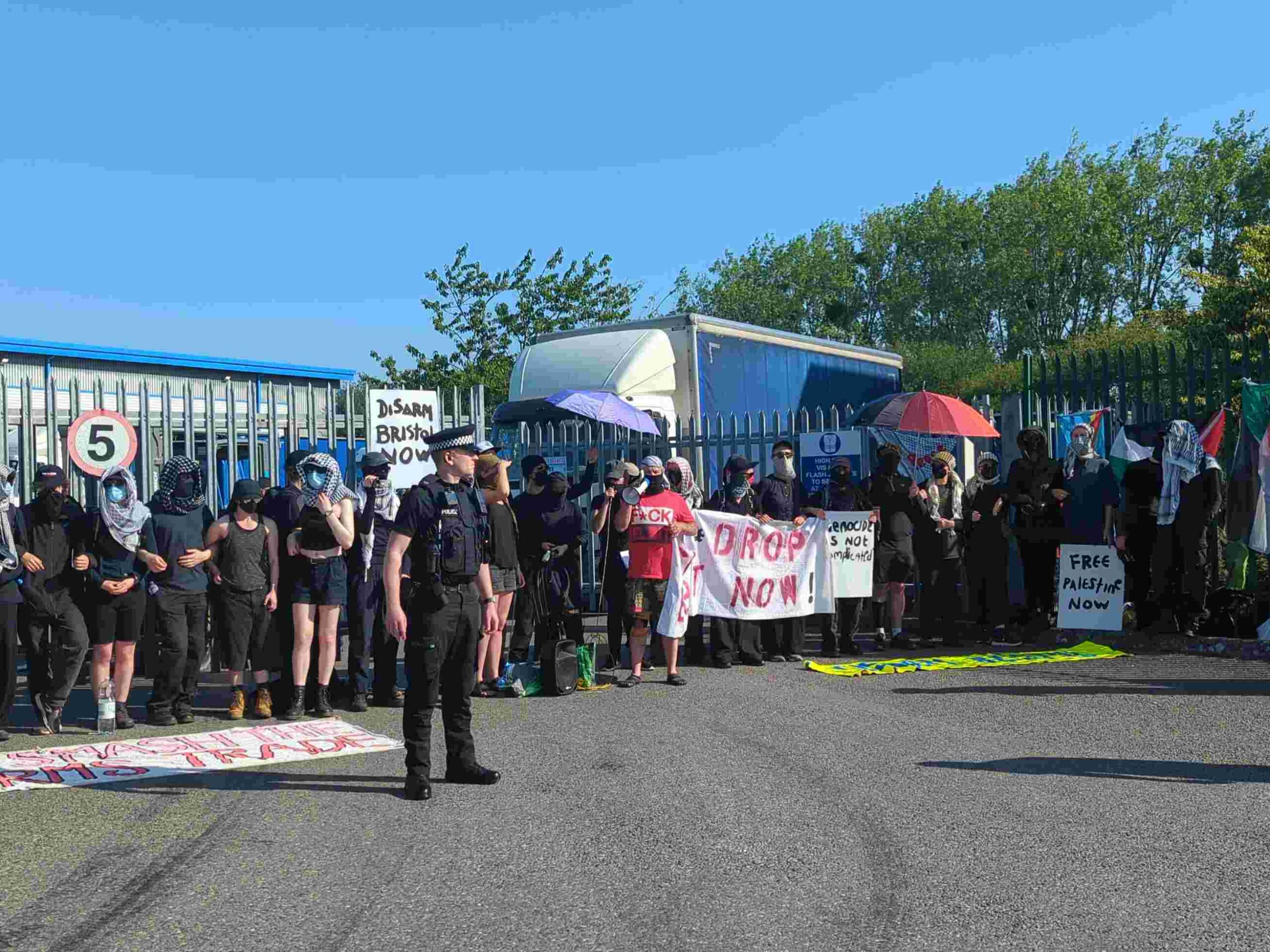
The summer 2024 riots gave right wing populism a boost and as Reform shot up in the polls, Labour lurched further to the right. Overseas aid was cut, policies towards migrants and asylum seekers hardened, and in May 2025 the government tried to cut spending on benefits but backed down when threatened by a backbench rebellion. In June, Labour said it would proscribe Palestine Action as a terrorist organisation, which led to over 3,000 arrests for people saying they supported the group.
The government appeared to be endlessly buffeted by events and off the pace. Attention focused on Morgan McSweeney, Downing Street Chief of Staff, accused of factionalism and not tolerating dissent in the party. Starmer himself was criticised as weak and indecisive The party’s poll rating sank to under 20% and the PM’s rating was the lowest on record. Poor results at local elections in 2025 were followed by disastrous ones in 2026.
For all this it seemed Starmer might cling on to power because there was no real alternative. What really did for him was the continued cost of living crisis, as Labour’s natural supporters struggled and turned to Reform, and the appointment of Peter Mandelson as ambassador to the USA.
Why Starmer chose someone who was known to be a close friend and enabler of Jeffrey Epstein – one of the most notorious paedophiles and sex traffickers of modern times – for a top job in his government is beyond belief. Morgan McSweeney took responsibility for the appointment and resigned in February 2026, but by then it was too late for his boss as well.
Keir Starmer is a textbook example of a public figure who jettisoned principles in the search for power. I have no doubt he was sincere when I knew him but somewhere along the way he compromised, perhaps believing it was ‘for the greater good’. Incremental change instead added up to an almost wholesale repudiation of his earlier beliefs. It should be a salutary lesson to all those who think they can change the system from inside, without it changing them first.
The author is a long-time anarchist and campaigner who was targeted by spycops for 20 years and has given evidence to the Undercover Policing Inquiry. Image: Number 10 on Flickr