Thirty years after his death, his emphasis on class struggle remains – whilst the ‘anarcho-liberals’ have disappeared
~ Iain McKay ~
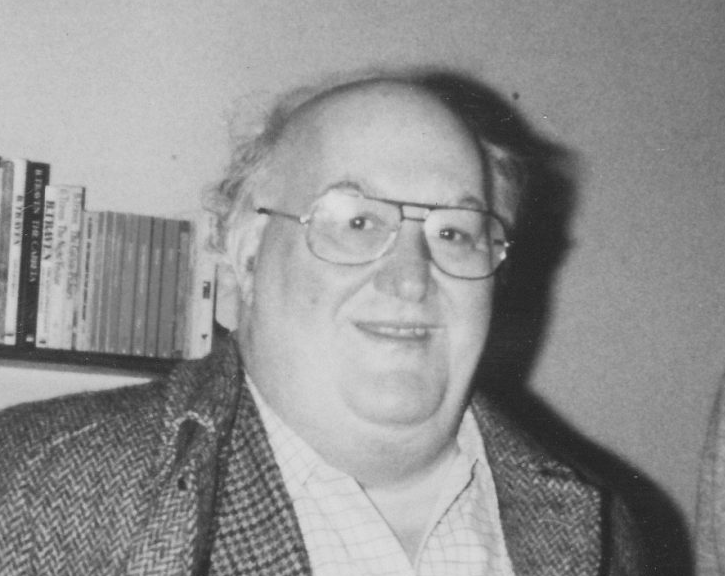
I only once met Albert Meltzer (1920-1996), when he came to give a speech on Marxism in 1992 at the Summer School we had organised in Glasgow. I had long known of him, everyone in the movement did whether they agreed with him or not. I did, mostly. I remember getting my first Black Flag and thinking “finally, a proper anarchist paper” (I had only seen Freedom before and in the late 80s it was nothing to be impressed by). With Stuart Christie (1946-2020), he helped shape the anarchist movement in Britain and save it from what he rightly called “radical liberals”. Sadly, by the time I joined the Black Flag collective, he was dead but his legacy lived and lives on.
A printworker by trade, Meltzer recognised the importance of class in anarchism. He stressed that anarchism was a people’s (working class) movement or it was nothing, that unless the means of production were seized and run by the workers themselves then a free society was impossible: “only productive classes – such as the working class or the peasantry – can play a libertarian role. This is not because they have intrinsic virtues (a conception of idealism), but (materialistically) because so long as they are productive classes they have nobody else to exploit.” He recognised that those who denied, downplayed or ignored the class struggle today did the same to anarchist theory and history, turning it into something else.
This informed his activity, theory and approach to anarchist history. He stressed that our history was not simply, or worse primarily, that of a few “great” men and women. Rather, it was the struggles of the anonymous many who made these few relevant and of note. He rightly took issue with those who hoisted thinkers (such as Winstanley and Godwin) into prominence when their influence in the developing movement was non-existent – his anarchism was embedded within the movement so he knew who and what really mattered. Hence the need for “sectarianism” or, more correctly, working with those who shared ideas rather than a label.

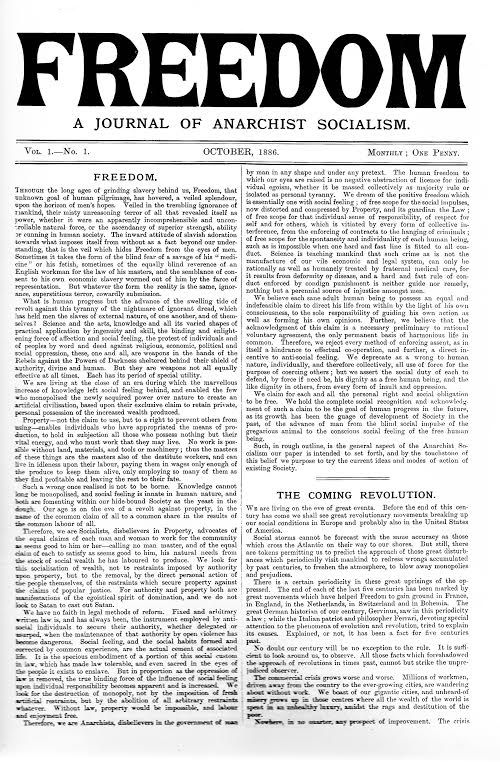
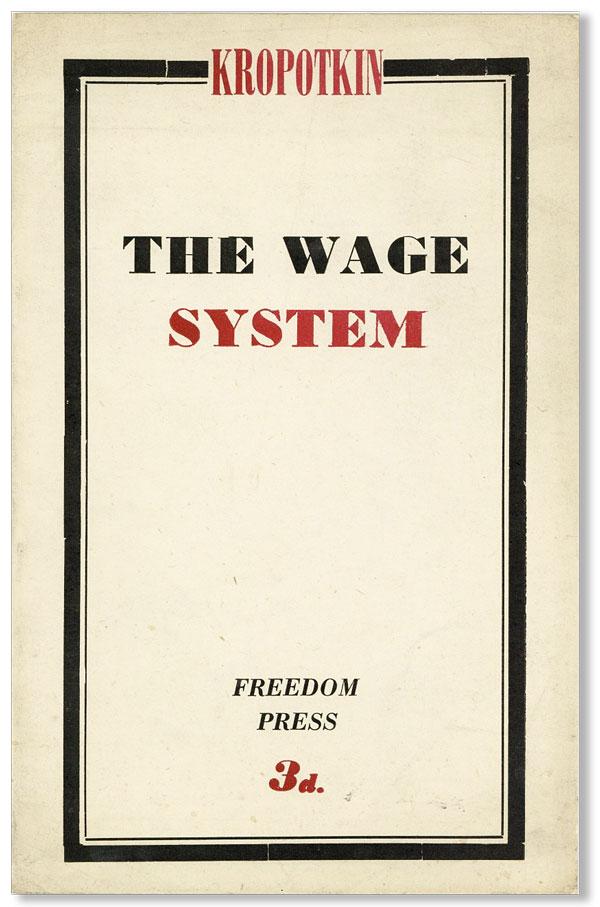
Meltzer’s anarchism appealed while that of Freedom (at the time) did not – and his were the ideas with which Freedom had been founded on in 1886 and again in 1945 (and before that, Spain and the World, Revolt! and War Commentary). For all the attempts to dismiss his ideas as antiquated, their relevance remain whilst the liberals disappeared to more appropriate pastures. This was because he was championing authentic anarchism with a firm grasp of its – our! – practice and history. This is not to suggest that everyone involved with Freedom was a liberal or could be dismissed, simply that compared to Black Flag it was weak stuff indeed.
Meltzer’s contributions to the movement are substantial. To list just a few: during the 1960s he helped form the Anarchist Black Cross, with a focus on helping Franco’s anarchist prisoners. As an advocate of syndicalism, he was a member of the Direct Action Movement and its successor the Solidarity Federation – indeed, he died of a stroke at the latter’s 1996 Conference. He also helped found the anarcho-archive, the Kate Sharpley Library as well as the journals Black Flag and Cienfuegos Press Anarchist Review, amongst others. A prolific writer for numerous publications across the decades, he was also the author of the much-reprinted and multi-edition Anarchism, Arguments for and Against; The Floodgates of Anarchy (with Christie); The Anarcho-Quiz Book; and his autobiography I Couldn’t Paint Golden Angels (a title the book never explains due to overly keen editing). All remain essential reading for any serious anarchist.
More, much more, could be written but hopefully enough had been indicated for readers to seek out his writings – his pamphlets and books are on-line, as are most issues of Black Flag and Cienfuegos Press Anarchist Review. The Summer 2021 issue of Black Flag Anarchist Review marked the 25th anniversary of his death and included a selection of his articles from the 1930s to the 1990s. Anarchists today will find much of interest and, more importantly, much to build upon and develop.
Photos: Philip Ruff