It’s easier to talk about the “lunar feat” than about the consequences of the military and economic machinery operating down here
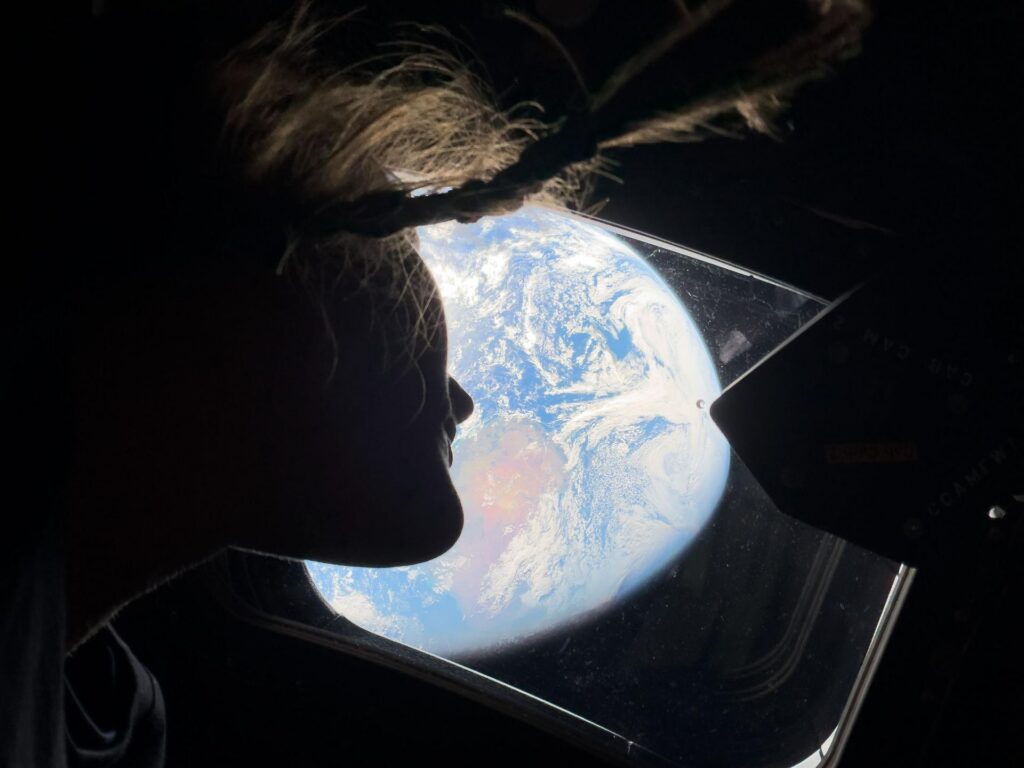
Artemis II traverses space and, for a carefully calculated moment, it seems humanity has solved something important. A gleaming capsule, four people floating, an orbit around the Moon, and a perfect staged scene to remind us that progress, when filmed well, always looks clean.
The mission is easy to explain: they don’t land, they don’t directly explore the lunar surface, they don’t do anything that will change anyone’s daily life. They circle around, check systems, test what should already be tested, and return. Ten days of travel to certify that the great technological apparatus works as expected. Science, they say. A dress rehearsal, more like.
The problem isn’t human curiosity or knowledge. The problem is who decides which curiosity is funded, which knowledge is prioritised, and which world is relegated to the background while another journey to the unattainable is celebrated.
The Artemis program is not an improvised adventure. It’s a monumental structure of public spending channelled through state agencies and major contractors. Tens of billions accumulated over the years, with cost overruns that no longer even raise eyebrows because they’ve become routine. Each crewed launch involves sums that could sustain healthcare, education, or basic infrastructure systems in countless locations around the world for a very long time. But that’s not what’s being discussed here. Here, the rocket is being celebrated.
NASA doesn’t act alone in this charade. It’s a cog in a larger machine where the state, the military-industrial complex, and large technology corporations share interests, contracts, and narratives. Space isn’t just a place for exploration; it’s also a showcase of power. Whoever controls the ability to launch, orbit, and project technology beyond Earth doesn’t just explore the universe: they reaffirm their position in the global hierarchy.
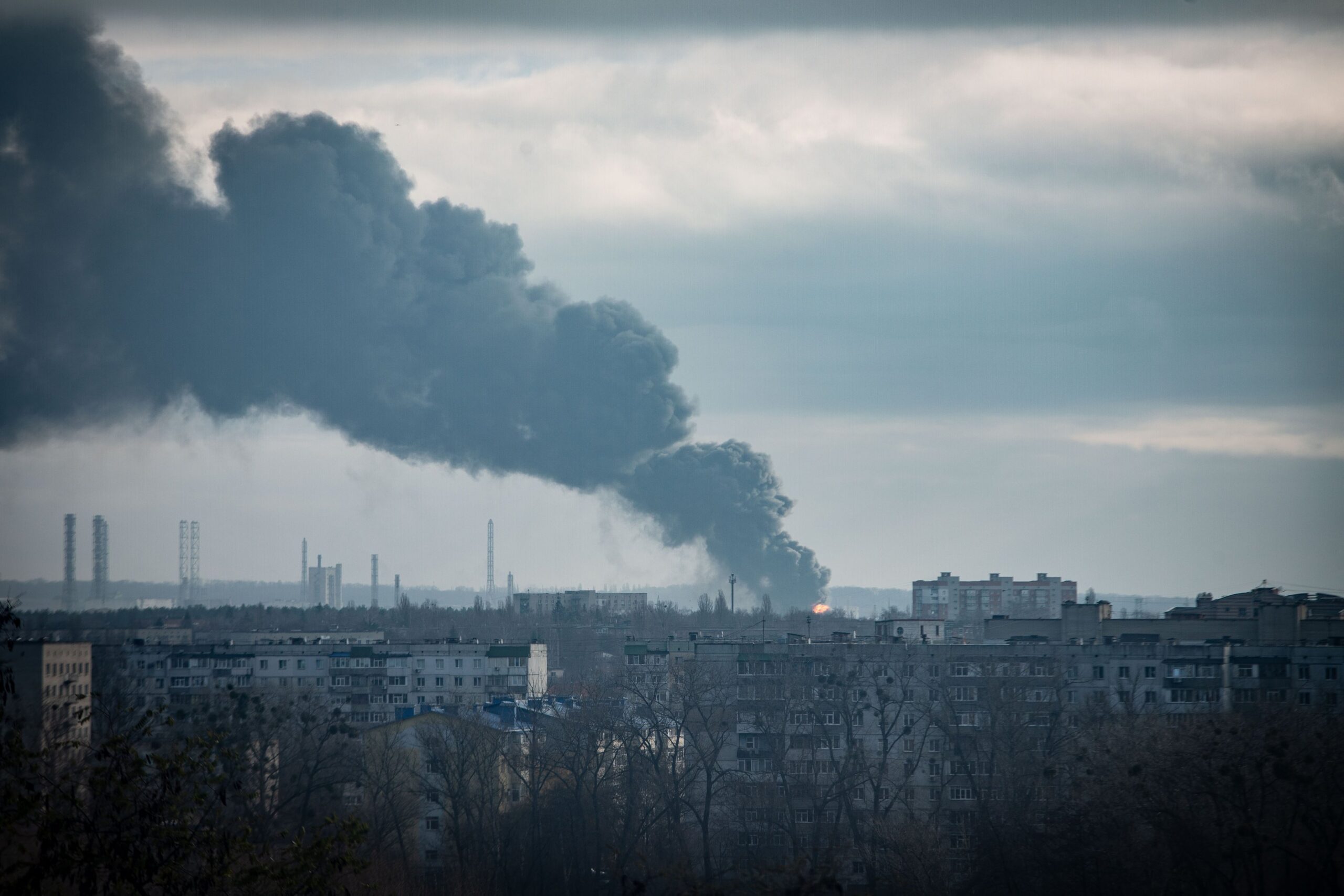
And meanwhile, on the planet’s surface, reality doesn’t stop or get so carefully disguised. Open armed conflicts, structural violence, displaced populations, entire economies subjected to decisions made far removed from any real control by those who suffer them. The United States and Israel constantly appear on this chessboard of tensions, playing a central role in dynamics of war that are not explained with the same solemnity as a space launch.
The comparison is uncomfortable, and that’s why it’s avoided. It’s easier to talk about the “lunar feat” than about the consequences of the military and economic machinery operating down here. It’s easier to look upwards than to acknowledge what it means to maintain this order of priorities.
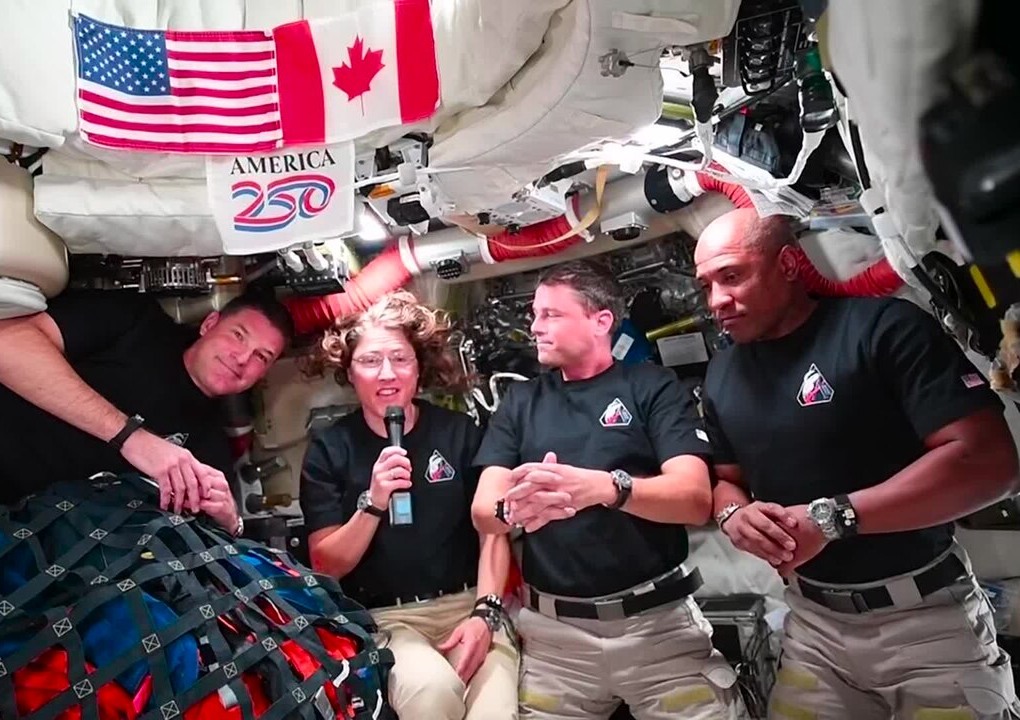
Artemis II also functions as that: a narrative pause. A moment in which the mainstream media, institutions, and official discourse synchronise collective attention toward a bright object in the sky. This is no coincidence. Distraction doesn’t always require censorship; it’s enough to offer something more fascinating than the daily conflict. A trip back to the Moon always wins out over a discussion about inequality or structural violence.
The cost of the program is another form of violence, although it’s rarely called that. Not because the money materialises into immediate, direct harm, but because it reveals a logic of profoundly unequal resource distribution. Tens of billions are concentrated in projects that serve the expansion of state and corporate structures, while basic needs are managed with cuts, conditionalities, or simply neglect.
It is often said that these missions “will inspire new generations.” It’s a curious argument: inspiration as economic justification. As if imagination necessarily needed a four-billion-dollar rocket to exist. As if knowledge couldn’t be generated without a colossal industrial infrastructure behind it.
The model that underpins Artemis is not neutral. It is hierarchical, centralised, and deeply dependent on large power structures. Large agencies, large corporations, large contracts. Everything is highly ordered, highly technical, and far removed from any form of distributed decision-making or real social control. Space exploration thus becomes an extension of the same logic that organises the rest of the world: a few decide, many finance, and almost no one asks questions.
Even the language betrays it. We speak of “humanity” as if it were a single, homogeneous entity that decides to go to the Moon. But it is not humanity that decides. These are specific institutions, with specific interests, located in specific countries, and backed by specific economic structures. The rest just observe, pay, or applaud.
And so, while the Orion capsule completes its lunar orbit, the Earth continues to operate under the same old dynamics: inequality at the bottom, concentration of power at the top, and a carefully polished narrative to make it all seem legitimate.
Machine translation. Images: Wikimedia commons, NASA