The German-American anarchist, who died 120 years ago today, was a gifted writer and influential agitator
~ Tom Goyens ~
Johann Joseph Most died around noon on March 17, 1906, from complications of a skin infection at a friend’s home in Cincinnati while on a lecture tour. He was sixty years old, leaving behind his partner Helene Minkin and their two sons. His last words, allegedly uttered in delirium, were: “Let me go out—I must go out to speak.”
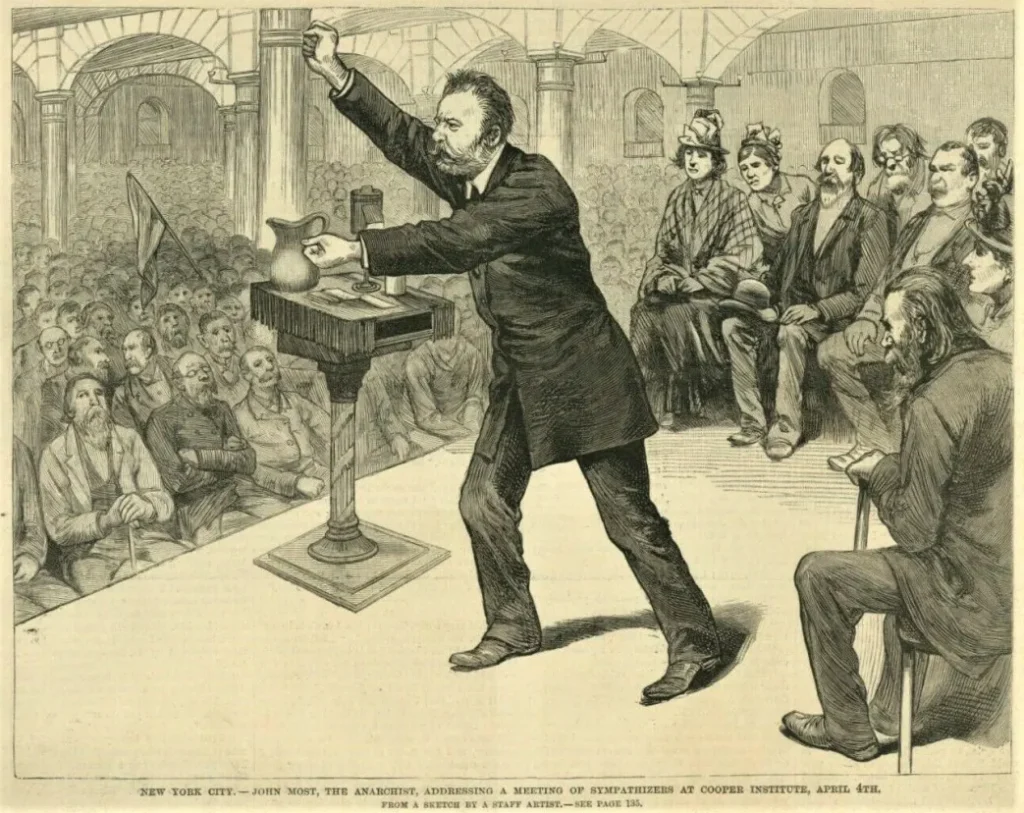
Two weeks later, thousands gathered in Manhattan’s Grand Central Palace to commemorate his life with speeches in five languages by the leading lights of American anarchism. But slowly the memory of this remarkable agitator faded on both sides of the Atlantic, and what endured was a media caricature from the 1880s.
Johann Most was a German-American socialist and later anarchist editor, orator, publicist, and militant atheist. His influence on transnational radicalism was profound, especially through his mentorship of Emma Goldman and his support for the Yiddish anarchist movement.
He was born out of wedlock in Augsburg, Bavaria in 1846. At age nine, he lost his mother and grandparents in a cholera outbreak; his father soon remarried an overbearing stepmother. At thirteen, an operation on his jawbone left him disfigured for life, ruining his dream of becoming an actor. Expelled from school, he became a bookbinder in 1863 and spent five years travelling Central Europe as a journeyman.
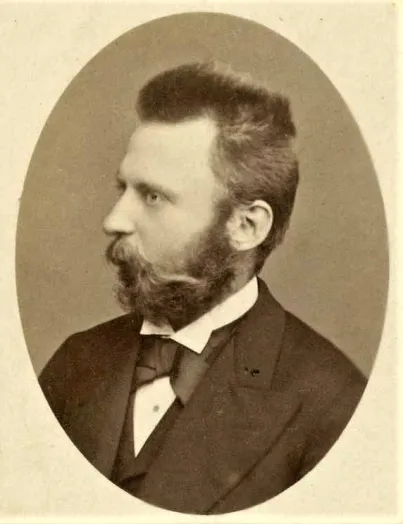
It was during this period, in 1867, that Most discovered socialism. From 1868 to 1871, he threw himself into the Vienna socialist movement, developing a speaking style combining theatrics, humor, and wit. Arrested following a workers’ demonstration and imprisoned for treason, he was amnestied in 1871 and expelled after defending the Paris Commune.
Over the next seven years, Most emerged as one of the most effective socialist activists in Germany, editing three labor papers and launching the country’s first satirical socialist magazine. Twice elected to the Reichstag, he grew disillusioned with legislative procedures and served a combined three years in German jails for his radical speech-making. In December 1878, he was expelled under an Anti-Socialist Law prompted by two failed attempts on the Kaiser’s life.
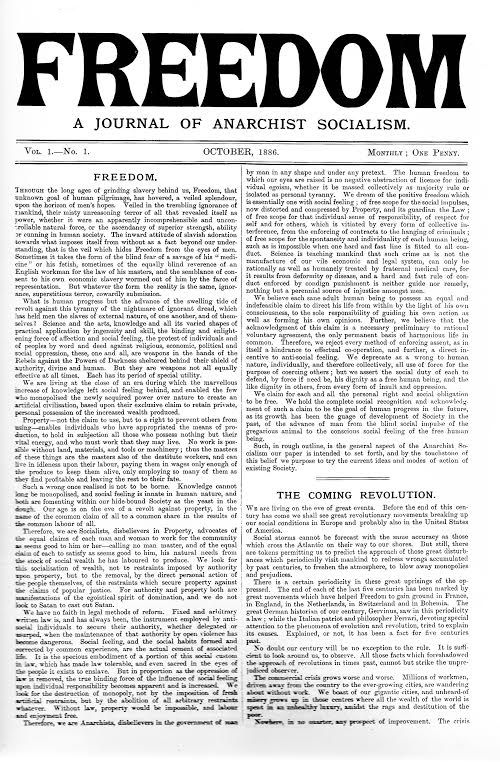
He sailed to London, where in 1879 he became editor of Freiheit, a socialist periodical smuggled into Germany. Dismayed that the party leadership had pledged to observe the new law, he turned toward conspiratorial tactics and was expelled in 1880. When Czar Alexander II was assassinated in 1881, Most celebrated the act and was sentenced to sixteen months in prison.
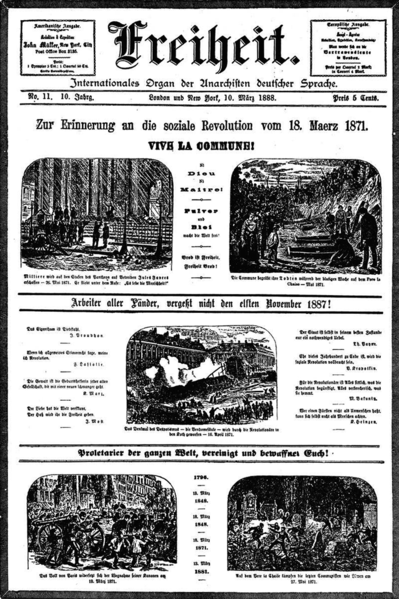
After his release in 1882, he settled in New York City and embraced anarchism and propaganda by the deed. He revived Freiheit and reinvigorated a dormant anarchist movement through oratory and writing. He helped organise the 1883 Pittsburgh Congress and its Manifesto, establishing the International Working People’s Association. His 1885 manual Science of Revolutionary Warfare promoted insurrectionary tactics, including dynamite, and while he never committed a violent crime himself, his rhetoric fueled senseless violence and helped forge the anarchist-as-terrorist stereotype.
Most’s embrace of insurrectionary tactics was relatively brief, lasting roughly from 1882 to 1886. The Haymarket affair marked a turning point: the execution of four defendants in 1887 shocked radicals worldwide, and Most now rejected violent propaganda by the deed. By 1888, he had embraced communist-anarchism, though Goldman and Berkman were moving in the opposite direction. Their relationships ended bitterly when Berkman shot industrialist Henry Clay Frick in 1892, and Most condemned the act; a furious Goldman horsewhipped him in public.
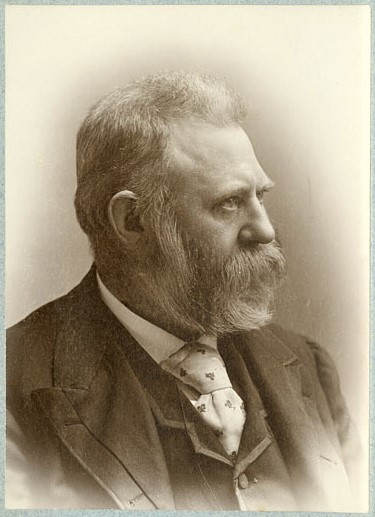
Even as these relationships frayed, Most found a new community in the growing Yiddish anarchist movement in New York and Philadelphia. He drew closer still after meeting Helene Minkin, a younger anarchist and former roommate of Goldman. They moved in together in 1893 and had two sons; Minkin became instrumental in keeping Freiheit alive until his death. In 1894, Most founded the New York Freie Bühne, staging realist plays and appearing himself in Gerhart Hauptmann’s The Weavers, possibly its American premiere. In 1901, he was arrested for publishing an article that coincided with the assassination of President McKinley, convicted in what amounted to a civil liberties violation, and released in 1903.
What, then, are we to make of the real person behind the caricature? His legacy is more layered than the stereotype suggests. Most’s contributions to German socialism and American anarchism have often been minimised and distorted. Alongside the Haymarket affair, he helped shape the caricature of anarchism as violent and chaotic, yet he also influenced Yiddish-speaking radicals who carried anarchist and unionist ideals into the 20th century.
Central to everything Most accomplished was his extraordinary mastery of the German language, wielded to explain complex theories, satirise the privileged, inspire workers, and challenge authority. His talent found its fullest expression in his speeches and the four newspapers he edited, above all Freiheit. It is one of history’s ironies that such a gifted wordsmith became synonymous with violence, despite never having committed a violent crime himself.
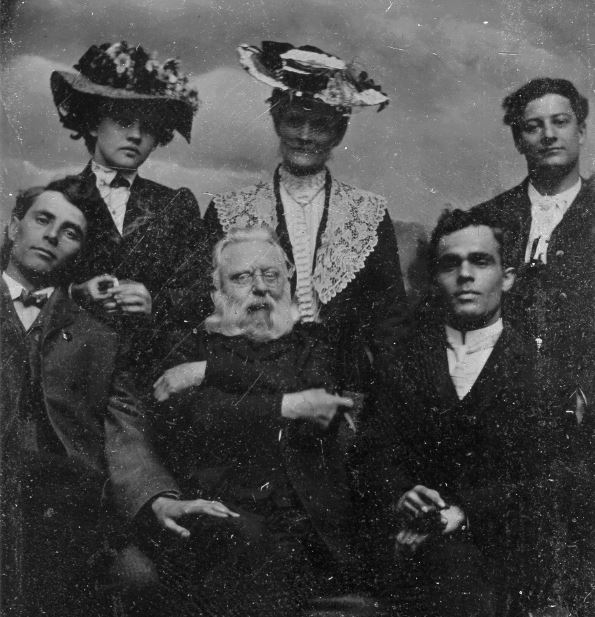
Behind his public persona stood Helene Minkin, whose role extended far beyond the domestic. She shared his ideological convictions, kept Freiheit alive, and bore the burdens of child-rearing. His much-praised resolve in later years was made possible, in large part, by her quiet strength. Most was also a Romantic at heart, an avid lover of theater, poetry, music, and good wine, who envisioned a revolution embracing both bread and roses. Goldman remembered Most not only as her teacher of social ideas but also of “new beauty in art and music.” This same sensibility informed his critique of religion and dogma. He believed that discarding religious beliefs and dismantling clerical authority were essential steps toward genuine liberation.
The caricature of Johann Most as a bomb-throwing fanatic has proven stubbornly durable. The fuller picture is of a man shaped by suffering, sustained by language and art, and devoted to an uncompromising vision of freedom.