The government wants to lower the voting age, so why treat us like children?
~ APS ~
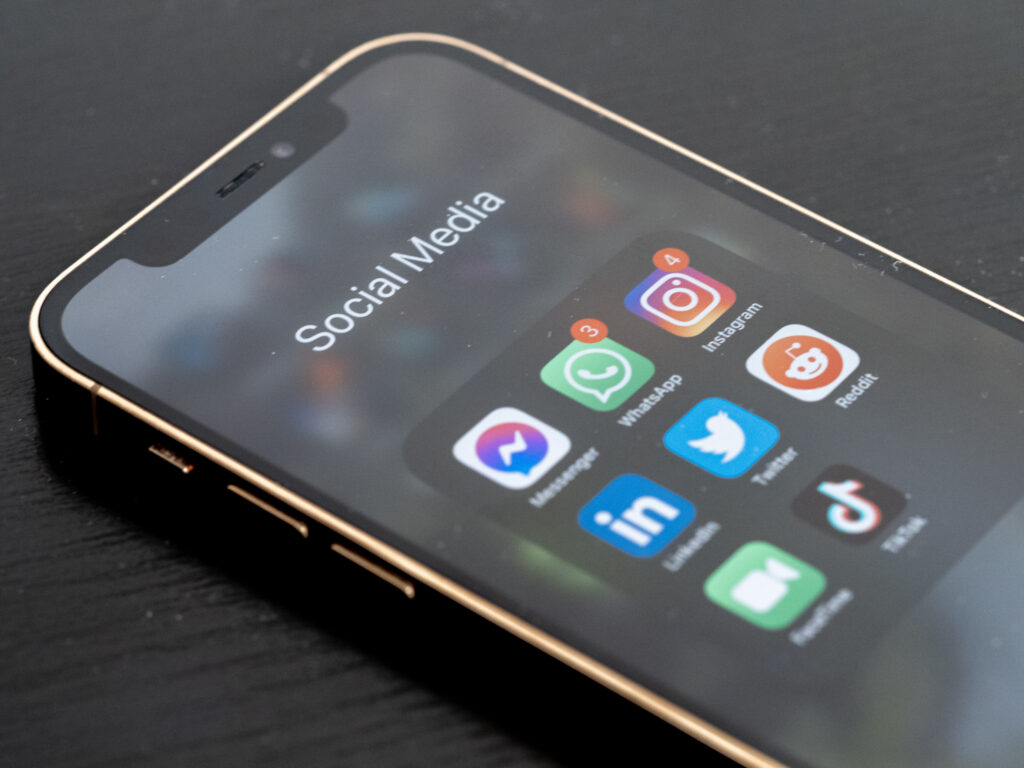
Teenagers up and down the country have been shocked by the government’s announcement that a social media ban for under 16s will take effect in Spring 2027. The ban will cover major social media platforms, including TikTok, Instagram, Snapchat, YouTube, Facebook, X, Reddit, Twitch and Threads, but messaging services such as WhatsApp and music streaming platforms will still be accessible.
While for under 16s this is set to be a full ban, 16- to 18-year-olds will also have a curfew put in place to stop them from doomscrolling.
Theoretically, stopping teenagers from accessing social media platforms should reduce the amount of harmful content that they’re exposed to. After the tragic case of Molly Russell, a 14-year-old girl who took her own life after being exposed to suicidal posts, there is understandably a desire to protect other vulnerable children.
The ban could also potentially drive youths back into reading or other hobbies, rather than being sucked into wasting time watching reels. Only 32.7% of young people aged 8-18 enjoy reading in their free time, a 36% decrease since 2005.
The government believes this ban will give teenagers more opportunities, such as going outside and playing with friends, but many teenagers use their phones to connect with others. Social media allows teens to share important moments in their lives and stay in touch. Without access to these platforms, how are we supposed to maintain these connections?
There are limited places for teenagers to go outside, due to a lack of government funding for Youth Clubs, so many will simply try to find ways to avoid these rules. While this ban may have positive intentions, the lack of freedom it imposes on youths may mean they become more invested in exploring how to access restricted content.
In his announcement, outgoing Prime Minister Keir Starmer said that a “full ban is the right choice” and that “policy making that doesn’t listen very carefully to the voices of those it seeks to serve … is not how this government carries out its business”.
But what do those who will be affected by the ban actually have to say? Is it not contradictory that the government is proposing to lower the voting age to 16, yet treats people that age like children by removing their current freedom and placing restrictions on them?
A BBC Newsround documentary about how the ban in Australia has effected teenagers there, one young person said that while cyberbullying has reduced due to bullies being kicked off apps such as Snapchat, they’ve seen an increase in real-life bullying. The teens interviewed also said that the ban was very easy to get around.
If it’s already been proven that teenagers can find ways to circumvent rules around social media, why would the UK government follow in Australia’s footsteps?
UK teens have similar views. One said that “although we understand that social media brings dangers, it also allows young people to network and discover new cultures and new ideas”. Another UK teen highlighted how “social media isn’t the problem… it’s like the stimulation your mind needs after doing mundane tasks all day”.
Starmer emphasised how he’s “not prepared to compromise on the safety and happiness of our children”, but will teenagers really be happy once their only freedom is taken away?
Image: Ajay Suresh on Flickr